

Train students and technicians in diagnosing and repairing high-voltage hybrid and electric vehicles safely. The LN CarTrain ASE L3 Trainer integrates real 400V HV components, interactive software, and fault simulations for hands-on, standards-based learning.
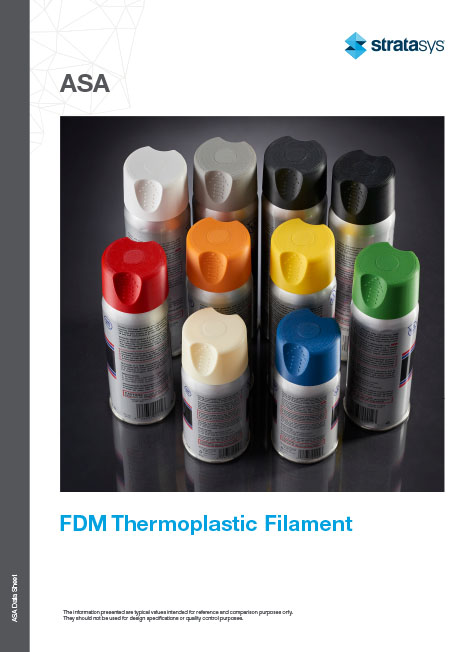
ASA (acrylonitrile styrene acrylate) FDM® filament is a broad-use commodity thermoplastic. It is similar to ABS (acrylonitrile butadiene styrene) but exhibits better UV resistance, mechanical properties, and aesthetics than ABS.
ASA suits most general-purpose 3D printing applications involving prototyping, jigs and fixtures, and low-volume production parts. ASA filament is available in the most colors of any FDM material.
Offering a variety of production-grade thermoplastics, FDM® technology creates parts that are highly accurate, tough, and suitable for both functional prototyping and end-use parts. ABS is the most common material used as it boasts good mechanical properties and high name recognition. Compared with ASA, ABS may be more familiar because of its popularity in mass production.
ASA is another popular all-purpose material for jigs and fixtures, manufacturing aids, prototyping and limited-run end-use parts. ASA matches or exceeds the mechanical properties of standard ABS and has greater heat resistance. Moreover, ASA demonstrates exceptional UV stability and, with its matte finish, offers the best aesthetics of any FDM thermoplastic. It’s especially suited for end-use parts in outdoor commercial and infrastructure applications, and its wide array of color options surpasses that of ABS.
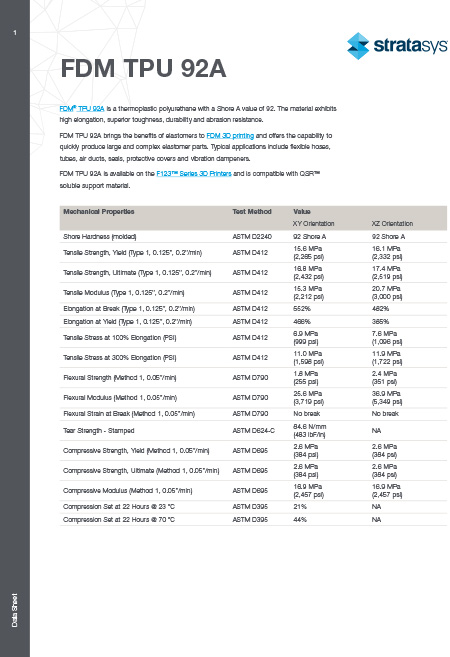
FDM® TPU 92A is a thermoplastic polyurethane with a Shore A value of 92. The material exhibits high elongation, superior toughness, durability, and abrasion resistance.
FDM TPU 92A brings the benefits of elastomers to FDM 3D printing and can quickly produce large and complex elastomer parts. Typical applications include flexible hoses, tubes, air ducts, seals, protective covers, and vibration dampeners.
FDM TPU 92A is available on the F123™ Series 3D Printers and is compatible with QSR™ soluble support material.
Produce Large and Complex Elastomer Parts
Create accurate elastomer parts quickly and efficiently with the ease and reliability of professional FDM 3D printing. The durable elasticity of FDM TPU 92A material makes it a good choice for a variety of applications, including flexible hoses, tubes, air ducts and vibration dampeners.
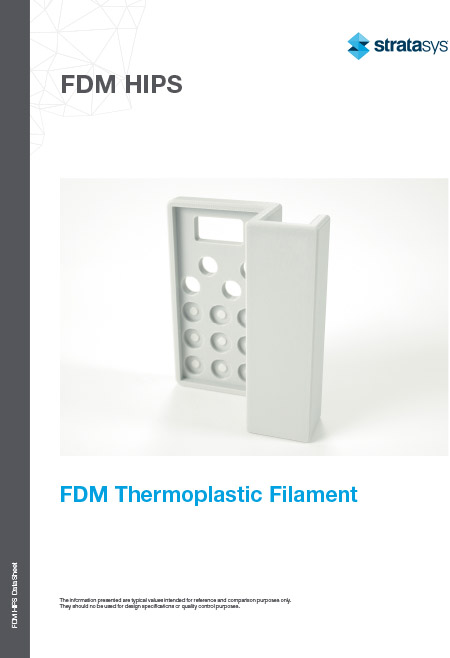
FDM® HIPS (high-impact polystyrene) is a low-cost, general-use 3D printing thermoplastic. It offers similarities to ABS but has high impact resistance making it suitable for printing lower-requirement jigs, fixtures, and prototypes at a reduced cost.
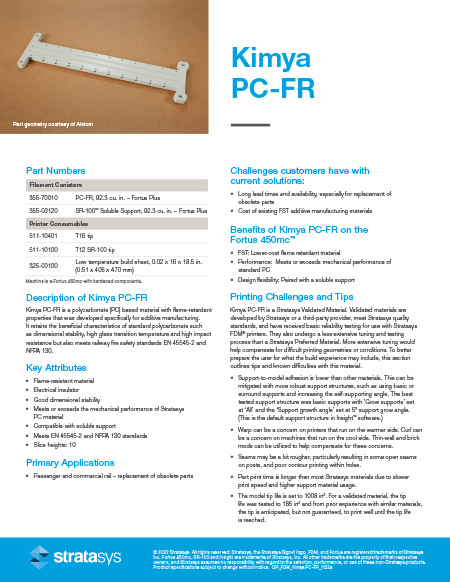
Kimya PC-FR is a polycarbonate FDM® 3D printing filament with flame-retardant properties developed specifically for additive manufacturing. It retains the beneficial characteristics of standard polycarbonate, such as dimensional stability, high glass transition temperature, and high impact resistance.
Kimya PC-FR is a polycarbonate (PC) based material with flame-retardant properties developed specifically for additive manufacturing. It retains the beneficial characteristics of standard polycarbonate such as dimensional stability, high glass transition temperature, and high impact resistance.
Key Attributes
- Flame-resistant material
- Electrical insulator
- Good dimensional stability
- Meets or exceeds the mechanical performance of Stratasys PC material
- Compatible with soluble support
- Meets EN 45545-2 and NFPA 130 standards
- Slice heights: 10
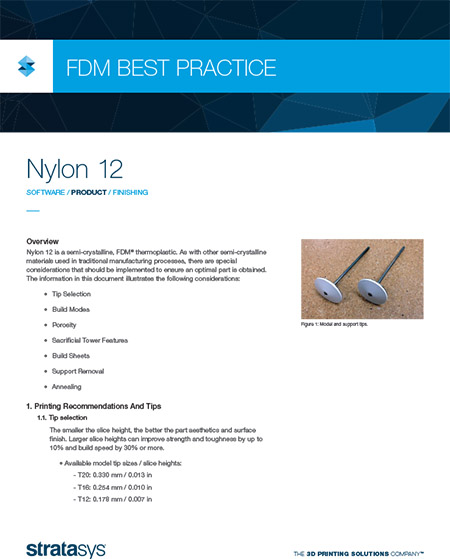
Nylon 12 is a semi-crystalline, FDM® thermoplastic. As with other semi-crystalline materials used in traditional manufacturing processes, special considerations should be implemented to ensure an optimal part is obtained. The information in this document illustrates the following considerations:
- Tip Selection
- Build Modes
- Porosity
- Sacrificial Tower Features
- Build Sheets
- Support Removal
- Annealing
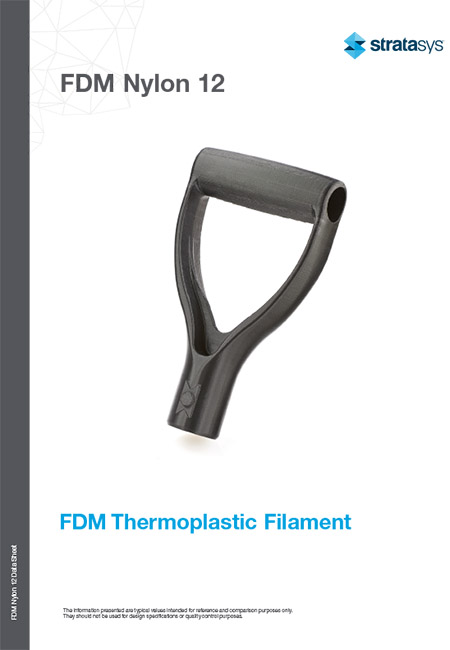
FDM® Nylon 12 filament is the 3D printing equivalent of standard industrial PA12 (polyamide 12) material. A strong engineering thermoplastic that exhibits toughness and high impact strength without being brittle. Its excellent fatigue properties make it a good option for repetitive-flex applications such as snap-fit clips, closures, and press-fit inserts.
Other applications include jigs, fixtures, low-volume production parts, and accurate prototyping of nylon 12 high-volume injection molded parts. FDM Nylon 12 is available in black.
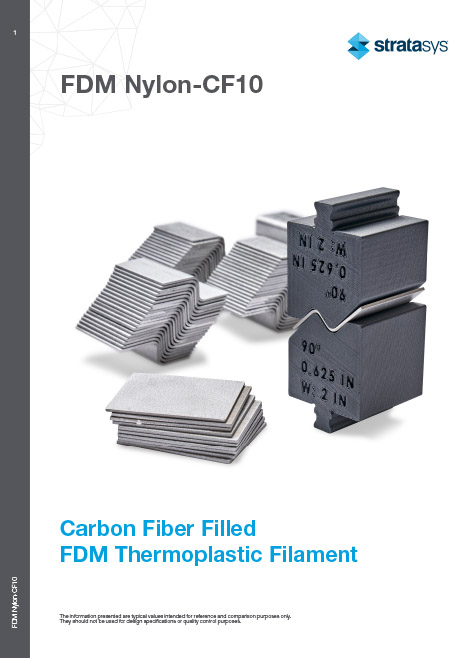
FDM® Nylon-CF10 is a composite material combining a blended nylon polymer with 10% chopped carbon fiber (by weight), enhancing the material’s strength and rigidity. The nylon base polymer also gives FDM Nylon-CF10 good chemical resistance.
Pages
-
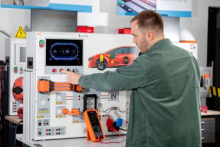 Item Number:CO3223-6X7
 -
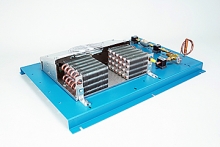 Item Number:373-991DAC Worldwide’s Ceiling Unit Cooler System Cutaway is a professionally-crafted, sectioned example of a refrigeration system fragment, including ceiling unit cooler with associated components, as used in commercial refrigeration systems relating to food preservation applications.
 -
 Item Number:950-CL1Amatrol’s Central Lubrication Learning System (950-CL1) is for hands-on training in operating, maintaining, and troubleshooting piston distributor and series/progressive valve lubrication systems—plus oils, greases, and lubricant management.
 -
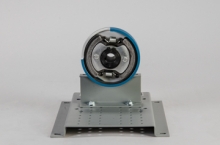 Item Number:200-2204DAC Worldwide’s Centrifugal Clutch Cutaway (200-2204) depicts a modified industrial centrifugal clutch for mechanical drive training in a classroom or laboratory. This sectioned mechanical power transmission component uses centrifugal force to connect two concentric shafts by throwing a centrifugal shoe outwards at a right angle to the primary shaft axis, which allows for shift during start-up.
 -
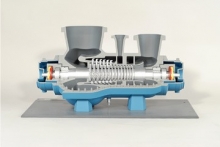 Item Number:211CThe design of the Centrifugal Compressor Model is based upon common industrial centrifugal compressors.
 -
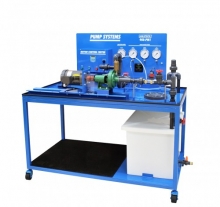 Item Number:950-PM1The model 950-PM1 Pumps Learning System teaches skills related to centrifugal pumps, which are used in almost every industry to transfer non-hydraulic fluids of various types from one place to another. Students learn a comprehensive set of industry-relevant skills including how to operate, install, maintain, troubleshoot, analyze performance, and select centrifugal pumps as well as system design.
 -
 The CFT program was created in partnership with the Material Handling Equipment Distributors Association (MHEDA) to provide skills to entry-level forklift technicians, enhancing their performance in the world of material handling. The CFT prepares individuals to repair and maintain technical systems utilizing key engineering principles that underpin most forklift vehicles.
 -
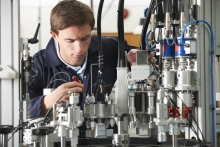 Item Number:C-101 / C-102 / C-103 / C-104SACA’s Associate certifications are introductory Industry 4.0 certifications appropriate for operators and other individuals seeking to become familiar with Industry 4.0 factory floor automation equipment and processes.
 -
 SACA’s Certified Industry 4.0 Professional certification is an engineering certification that focuses on the analysis, design, and optimization of Industry 4.0 systems. It prepares engineers to succeed in positions in modern production environments that use Industry 4.0 technologies.
 -
 SACA’s Specialist certifications certify Industry 4.0 technical skills in operations, troubleshooting, programming, maintenance, and systems integration. Each certification is keyed to a skilled occupation.