LinkedIn
X
Facebook
YouTube
Contact Tech-Labs
Search
See how a dedicated STEM center is expanding access to hands-on learning through 3D printing, mentorship, and shared resources. Students from multiple schools are gaining real experience designing, prototyping, and testing their ideas—using industry-relevant equipment in an environment built for exploration and growth.
This video highlights how quickly learners can get started, build confidence through iteration, and develop skills aligned with today’s technical education and workforce pathways. With accessible tools, certification opportunities, and mentor support, programs like this help improve engagement and create meaningful, career-connected learning experiences.
Watch to see how this scalable model supports goals around equity, access, and workforce readiness—and how similar approaches can be implemented to strengthen STEM programs and expand opportunities for your students.
Matrix TSL engineering education systems are designed to bridge the gap between theory and real-world application by giving students hands-on experience with core engineering principles. Developed by Matrix TSL, these compact, lab-ready solutions support universities, community colleges, and advanced STEM programs with equipment and curriculum that align directly with industry expectations. From mechanical and structural analysis to fluid dynamics and advanced manufacturing, each system is built to reinforce critical concepts through experimentation, measurement, and applied learning.
Unlike traditional lecture-based instruction, Matrix systems emphasize active engagement—allowing learners to visualize, test, and analyze engineering concepts in a controlled environment. Integrated data acquisition, structured experiments, and instructor resources make it easy to deliver consistent, outcomes-focused training while supporting a wide range of teaching styles. Whether introducing foundational concepts or advancing into specialized applications, these systems help students develop the problem-solving skills and technical confidence required for today’s engineering careers.
By combining scalable hardware with guided curriculum, Matrix TSL solutions enable institutions to modernize their labs without overcomplicating setup or delivery. The result is a flexible, future-ready learning environment where students gain practical experience that directly translates to the workplace—preparing them for careers in engineering, manufacturing, and technology-driven industries.
Matrix TSL aerospace teaching resources provide students with a hands-on introduction to the systems and technologies that power modern aviation. Covering topics such as aerodynamics, avionics, and aircraft electrical systems, these solutions allow learners to explore complex concepts through practical experimentation rather than theory alone.
Designed for schools, colleges, and advanced technical programs, these systems support structured learning while building the foundational knowledge required for careers in aviation maintenance, aerospace engineering, and related industries. By simplifying advanced aerospace principles into safe, lab-based activities, students gain confidence before transitioning to real-world applications.
Matrix TSL automotive teaching resources are designed to help students understand the underlying technologies behind today’s vehicles before working on live systems. With a strong focus on electrical systems, diagnostics, and vehicle networks, these solutions break down complex automotive concepts into manageable, hands-on learning experiences.
From introductory automotive electricity to advanced topics like CAN bus systems and high-voltage battery circuits, these training systems support learners at multiple levels. The result is a scalable pathway that prepares students for careers in automotive service, EV technology, and advanced vehicle diagnostics.
Matrix TSL electrical engineering teaching resources provide a comprehensive platform for learning electrical and electronic principles through practical application. Students move beyond theory by building circuits, testing systems, and analyzing real data—developing a deeper understanding of how electrical systems function in real-world environments.
These systems support a wide range of topics, from foundational electrical concepts to advanced control systems and embedded technologies. With integrated curriculum and structured experiments, educators can deliver consistent, outcomes-focused training that prepares students for careers in electrical engineering, electronics, and industrial automation.
Matrix TSL manufacturing engineering teaching resources introduce students to modern production methods, combining traditional machining concepts with advanced manufacturing technologies. Through hands-on systems such as CNC machining, process control, and automated production, learners gain practical insight into how products are designed, produced, and optimized.
These solutions help bridge the gap between classroom learning and industrial practice, enabling students to develop skills in areas such as G-code programming, quality control, and production workflows. Ideal for technical education and workforce training programs, they prepare learners for careers in advanced manufacturing and Industry 4.0 environments.
Matrix TSL mechanical engineering teaching resources allow students to explore core principles such as statics, dynamics, materials, and thermodynamics through hands-on experimentation. Rather than relying solely on theoretical instruction, learners can visualize and test mechanical behavior in a controlled lab setting.
These systems are designed to support engineering programs at multiple levels, helping students build problem-solving skills and a strong understanding of mechanical systems. By connecting theory to real-world applications, they prepare learners for careers in mechanical design, engineering analysis, and related technical fields.
Matrix TSL skilled trade teaching resources are designed to build foundational technical skills that apply across multiple industries. From electrical installation and maintenance to basic engineering and troubleshooting, these systems provide hands-on training that emphasizes practical, job-ready competencies.
Ideal for career and technical education programs, these solutions help students develop confidence working with tools, systems, and processes they will encounter in the field. By combining structured curriculum with real-world applications, they support pathways into apprenticeships, certifications, and skilled trade careers.
Matrix TSL renewable energy teaching resources help students understand the technologies driving the global transition to sustainable energy. Covering areas such as solar, wind, and energy management systems, these solutions provide practical, hands-on experience with the principles behind renewable power generation and distribution.
With a focus on real-world applications, students can explore how energy is generated, stored, and integrated into modern grids. These systems support programs preparing learners for careers in renewable energy, electrical systems, and sustainable infrastructure.
Prepare Students for Modern Fabrication with Robotic Welding and Cutting
MOD-WELD® and MOD-CUT® systems from APT Manufacturing Solutions help schools, colleges, and workforce training centers introduce students to the next level of welding, cutting, robotics, and advanced manufacturing. Built around FANUC cobots and industrial robots, these systems help programs connect foundational fabrication skills with the automated technologies used in today’s industry.
These robotic fabrication systems can support everything from introductory CTE welding programs to advanced college-level robotics, mechatronics, and smart manufacturing labs.
Step 1: Build Welding and Cutting Fundamentals
Students begin by learning safety, materials, joint preparation, measurement, fit-up, workholding, weld quality, and cutting fundamentals.
Step 2: Introduce Robotic Processes
MOD-WELD® and MOD-CUT® help students see how manual skills transfer into automated workflows, including robot motion, torch positioning, part setup, and repeatability.
Step 3: Apply Programming and Automation Concepts
Students gain exposure to cobot programming, FANUC interfaces, offline programming, vision, seam tracking, and production-style workflows.
Step 4: Prepare for Industry Roles
Programs can connect robotic fabrication training to careers in welding, fabrication, robotics operation, automation, advanced manufacturing, and industrial maintenance.
Robotic welding and cutting do not replace foundational hands-on training. They complement it by helping students understand how welding and fabrication skills are applied in modern automated environments.
- Increase student engagement with robotics, automation, and real-world technology.
- Reinforce welding fundamentals through repeatable robotic processes.
- Teach automation readiness, including setup, programming, troubleshooting, and process control.
- Support career pathways in welding, robotics, fabrication, and advanced manufacturing.
- Help programs modernize labs while keeping manual welding instruction at the center of skill development.
For high school welding, manufacturing, STEM, and robotics programs, MOD-WELD® and MOD-CUT® systems can introduce students to automation in a way that is approachable, visual, and hands-on.
- Introduce students to robotic welding and plasma cutting careers.
- Support welding, manufacturing, engineering, robotics, and STEM pathways.
- Help students connect classroom learning to local industry needs.
- Use cobot systems to demonstrate automation concepts in a compact lab footprint.
- Build awareness of future careers before students enter college, apprenticeships, or the workforce.
Best fit: Cobot weld carts, cobot cut carts, mobile travelers, fixture tables, clamp kits, and introductory automation demonstrations.
For community colleges, technical colleges, and workforce training centers, MOD-WELD® and MOD-CUT® systems can support deeper instruction in robotic programming, production workflows, weld quality, process optimization, and industrial automation.
- Prepare students for robotic welding operator, technician, and automation support roles.
- Support advanced welding, robotics, mechatronics, and manufacturing programs.
- Demonstrate high-volume production concepts and fixture-based repeatability.
- Expose students to FANUC robots, FANUC CRX cobots, Rockwell controls, and industrial power supplies.
- Help programs align training with regional employer expectations.
Best fit: Cobot drop centers, robotic weld cells, dual-station systems, rotary tables, H-frame cells, headstock/tailstock systems, offline programming, vision, and seam tracking.
Robotic fabrication systems can support broader credentialing goals by giving students hands-on exposure to the skills used in advanced manufacturing environments. While certification requirements vary by program, MOD-WELD® and MOD-CUT® can complement training aligned to welding, robotics, automation, and manufacturing credentials.
- Robotics: Supports exposure to FANUC robot and cobot operation concepts.
- Welding: Reinforces process understanding, weld quality, fit-up, and production consistency.
- Advanced Manufacturing: Connects fabrication with automation, programming, safety, and workflow design.
- SACA Pathways: Can complement Smart Automation Certification Alliance skill areas such as industrial automation, robotics, mechatronics, and Industry 4.0 concepts.
- Workforce Readiness: Helps students build the vocabulary and confidence needed for interviews, internships, apprenticeships, and entry-level technical roles.
MOD-WELD® cobot systems are well-suited for education because they are approachable, flexible, and designed to help users learn robotic welding without starting with a large industrial cell.
- Cobot Weld Cart: A mobile training platform with an integrated work surface for classroom and lab instruction.
- Cobot Weld Traveler: A flexible option that can work with existing lab tables, fixtures, or training stations.
- Cobot Weld Drop Center: Demonstrates advanced positioning, rotation, and multi-axis welding concepts.
- Cobot Weld Bundle: Helps programs integrate a FANUC CRX cobot into a custom training environment.
MOD-CUT® systems allow students to explore robotic plasma cutting, toolpath planning, cutting parameters, part setup, and automated fabrication workflows.
- Cobot Cut Cart: Compact mobile system for classroom or lab environments.
- Cobot Cut Traveler: Supports flexible lab layouts and shared workspace environments.
- Cobot Cut Drop Center: Demonstrates advanced motion and access for complex cutting applications.
- Hypertherm Powermax SYNC®: Gives students exposure to modern plasma cutting technology used in industry.
For advanced programs, MOD-WELD® robot cells provide exposure to full-scale industrial automation and production-style robotic welding workflows.
- Single Station Fixed Wide Table: Supports foundational robotic welding instruction and fixtured work.
- Dual Station Fixed Table: Demonstrates loading on one side while the robot welds on the other.
- Dual Station Rotary Table: Introduces efficient load/unload workflows and continuous operation concepts.
- Dual Station H-Frame: Supports high-payload robotic welding demonstrations.
- Dual Station Ferris Wheel: Demonstrates ergonomic handling of longer parts.
- Headstock/Tailstock Systems: Supports training with long and large components.
Students can gain exposure to the technologies that support modern robotic fabrication, including welding power supplies, plasma cutting systems, programming tools, vision, and seam tracking.
- Miller and Fronius welding systems for industry-relevant welding process exposure.
- Hypertherm plasma cutting systems for robotic cutting applications.
- FANUC robot and cobot interfaces for programming and operation.
- Robotmaster offline programming for CAD/CAM-based workflow instruction.
- FANUC iRVision for part location and smart manufacturing concepts.
- Laser seam tracking and finding for advanced process control discussions.
A complete robotic fabrication lab includes more than the robot. Supporting equipment helps students learn setup, safety, organization, repeatability, and real-world fabrication practices.
- Downdraft weld tables and fume extraction systems for safer training spaces.
- Fixture tables and clamp kits for repeatable part setup.
- Cart accessories, storage, drawers, pegboards, and clamp hangers for lab organization.
- Collaborative positioners for teaching part rotation and weld access.
- Burn boxes and cutting accessories for robotic plasma cutting instruction.
- High school CTE welding programs
- Manufacturing and fabrication pathways
- Robotics and automation programs
- Community and technical colleges
- Workforce development and reskilling programs
- Apprenticeship and pre-apprenticeship programs
- Advanced manufacturing and Industry 4.0 labs
Build a Future-Ready Welding and Fabrication Program
Whether your program is introducing students to robotics for the first time or expanding into advanced robotic welding and cutting, Tech-Labs can help you compare systems, plan lab layouts, and select the right MOD-WELD® or MOD-CUT® configuration.
Need help choosing between a cobot cart, traveler, drop center, or full robotic weld cell? Our team can help evaluate your curriculum, lab space, budget, and workforce goals.
Pages
-
Item Number:T7082Teach air-conditioning and heat-pump operation with Amatrol’s T7082 HVAC/R trainer featuring a working refrigeration circuit and hands-on curriculum.09/11/2026 - 9:39am
-
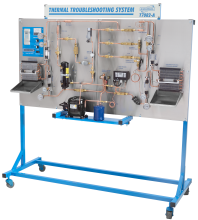
Item Number:T7082ATeach systematic HVAC/R diagnostics with Amatrol’s T7082A air-conditioning and heat-pump trainer featuring FaultPro and 24 realistic faults.09/11/2026 - 9:40am
-
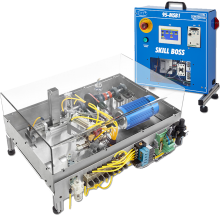
Item Number:95-MSB1Amatrol's Skill Boss Manufacturing is a hands-on training and assessment tool for CPT+ certification that meets MSSC standards easily integrates into manufacturing programs.08/29/2025 - 8:46am
-
Item Number:87-TMSTrain future technicians with Amatrol’s Tabletop Smart Factory and Cobot-Integrated Mechatronics systems—hands-on, compact training with real industrial components, Rockwell Automation integration, and FANUC CRX collaborative robotics.10/07/2025 - 8:05am
-
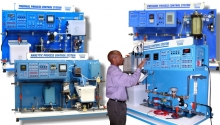
Each Advanced Manufacturing topic incorporates the skill development needed for modern industry. From operation to complex troubleshooting, Amatrol’s learning systems deliver job-ready skills.09/17/2020 - 8:06am
-
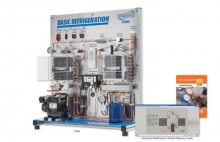
Item Number:T7045Amatrol’s Basic Refrigeration training system (T7045) offers hands-on learning of a working refrigeration system in a compact tabletop unit.09/11/2026 - 8:38am
-
Item Number:T7200Teach hands-on HVAC/R installation, copper tubing, brazing, refrigerant-line routing and leak testing with the Amatrol T7200 learning system.09/11/2026 - 9:40am
-
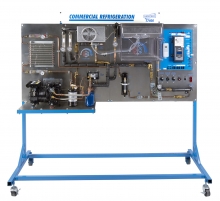
Item Number:T7400Teach commercial refrigeration with Amatrol’s T7400, featuring smart controls, multi-evaporator systems, and hands-on FaultPro troubleshooting.09/11/2026 - 9:40am
-
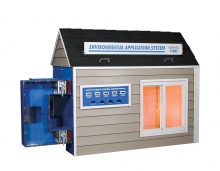
Item Number:T7083Teach residential HVAC performance with Amatrol's T7083. Explore heat loads, insulation, humidity, airflow, and heat-pump sizing in a model house.09/11/2026 - 9:40am
-
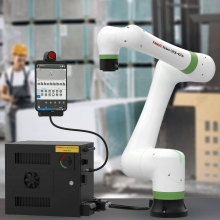
Item Number:CRX Collaborative Robots: 3iA–30iAExplore FANUC CRX collaborative robots for education, workforce training and university research, including six models, intuitive programming, ROS 2 and Python.09/05/2026 - 6:06am