Automatics Electro-Pneumatics
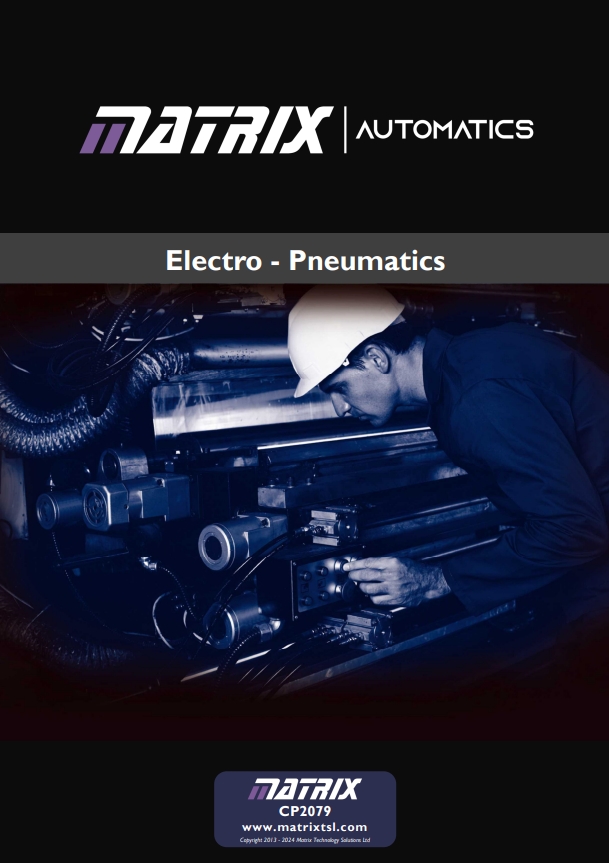
The Automatics: Electro-Pneumatics curriculum introduces students to the operation and control of electro-pneumatic systems used throughout modern manufacturing and industrial automation. Through hands-on investigations, students integrate electrical control circuits with pneumatic components to develop the practical skills required to design, operate, and troubleshoot automated systems.
Students investigate pneumatic actuators, directional control valves, relays, sensors, limit switches, solenoids, sequencing circuits, and electro-pneumatic control systems through practical laboratory activities. By constructing and analyzing automated control circuits, learners compare theoretical concepts with experimental results while preparing for careers in industrial automation, mechatronics, manufacturing, and industrial maintenance.
- Investigate the operation of electro-pneumatic control systems.
- Construct electrical control circuits for pneumatic actuators.
- Operate and analyze directional control valves and pneumatic cylinders.
- Integrate relays, solenoids, pushbuttons, and limit switches into automated control systems.
- Investigate sequential control of pneumatic actuators.
- Analyze the interaction between electrical controls and pneumatic components.
- Interpret electro-pneumatic schematics and circuit diagrams.
- Develop systematic troubleshooting techniques for electro-pneumatic systems.
- Compare theoretical control sequences with laboratory operation.
- Apply safe work practices when operating electro-pneumatic equipment.
- Electro-pneumatic systems
- Pneumatic actuators
- Directional control valves
- Solenoid valves
- Pneumatic cylinders
- Relay control circuits
- Sensors and limit switches
- Sequential control
- Industrial automation
- Electro-pneumatic troubleshooting
- Supports hands-on investigations of electro-pneumatic control systems and industrial automation.
- Provides practical experience integrating electrical control circuits with pneumatic components.
- Reinforces classroom theory through guided laboratory investigations.
- Develops the technical skills required for careers in industrial automation, mechatronics, industrial maintenance, manufacturing, and engineering technology.