EBlocks 3
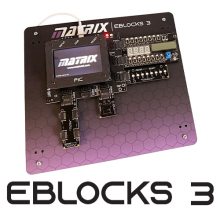
Plug, Play, Program: Modular Microcontroller Learning
Flexible microcontroller training with EBlocks 3 from Matrix TSL. Teach Arduino, PIC, and ESP systems with Flowcode integration, Auto ID, and hands-on learning.

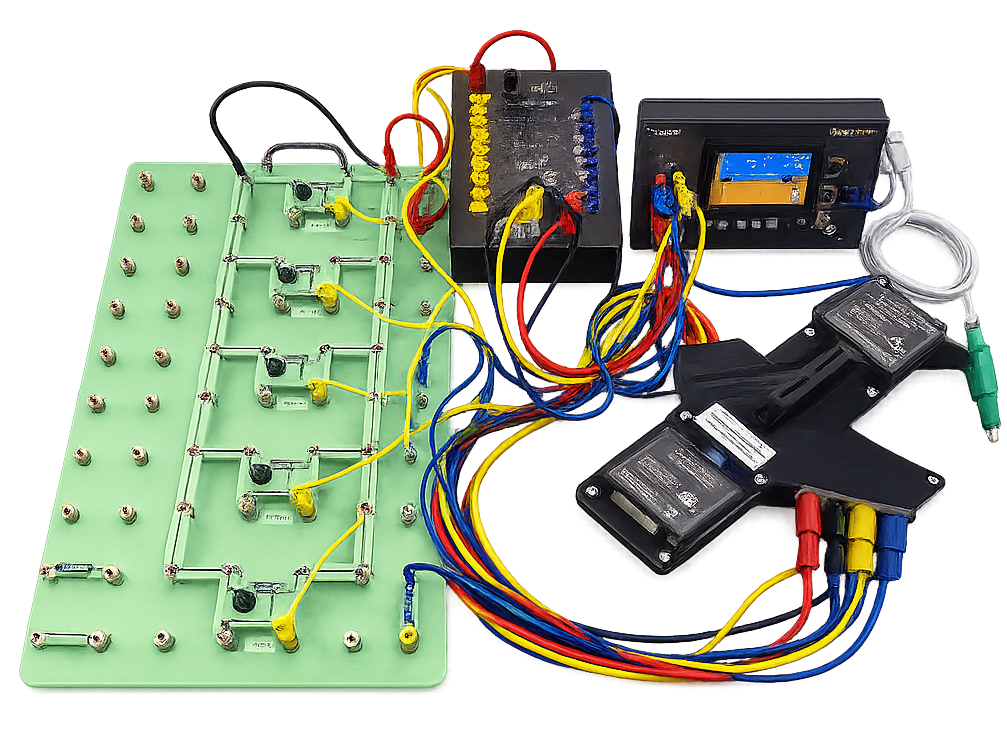
The Matrix TSL EFIS Transfer system introduces students to the principles behind Electronic Flight Information Systems used in modern aircraft. Designed for classroom-based aerospace and aviation maintenance training, the system helps learners understand how sensor data is collected, transmitted, diagnosed, and displayed through connected electronic modules.
Using an EFIS display, aircraft-style sensors, user controls, CAN bus communication, and PC-based diagnostic software, students can explore how complex flight information systems are built from smaller electronic subsystems. The trainer provides a practical way to study data communication, sensor integration, fault-finding, and system diagnostics in a safe, hands-on learning environment.
The EFIS Transfer system demonstrates how data moves from aircraft sensors to a flight information display. Students investigate how individual electronic modules communicate using serial data, helping them understand how modern avionics systems reduce wiring complexity while improving monitoring and diagnostic capabilities.
Through guided activities, learners explore the role of sensors, data buses, multiplexing, and diagnostic tools in aircraft systems. This makes the system especially useful for aerospace, aviation maintenance, electronics, and engineering technology programs.