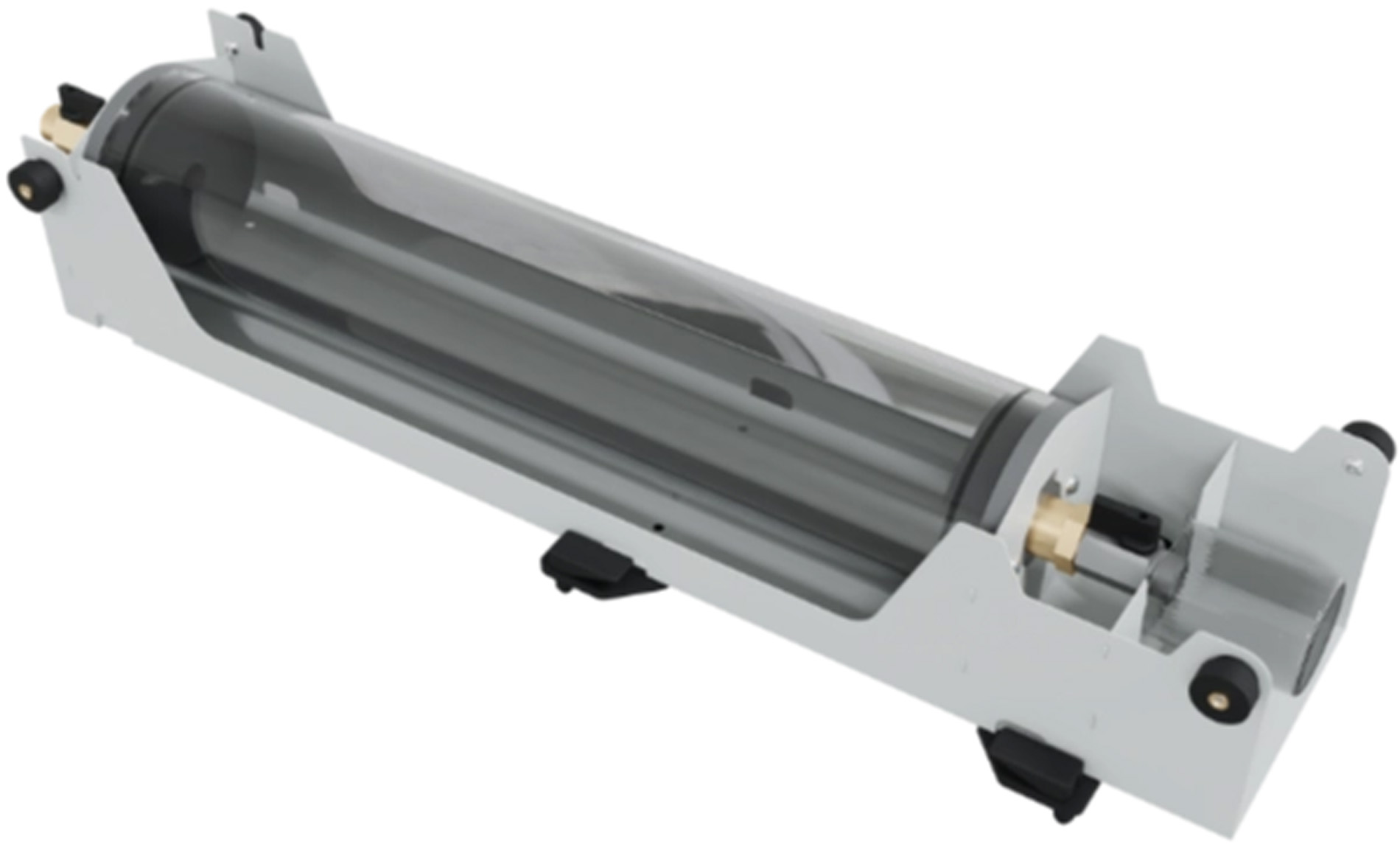
Fluid Mechanics
Fluid mechanics plays a critical role in engineering disciplines ranging from manufacturing and industrial maintenance to civil, aerospace, and mechanical engineering. Matrix TSL Fluid Mechanics solutions provide students with the opportunity to move beyond theory by investigating the behavior of fluids through hands-on experimentation and real-world engineering applications.
Designed for colleges, universities, technical schools, and workforce development programs, these modular training systems help learners develop a practical understanding of pressure, flow, energy, hydraulics, and fluid system performance. Students collect data, analyze results, and compare experimental outcomes with engineering theory, strengthening both technical knowledge and critical thinking skills.
Whether introducing the fundamentals of fluid mechanics or supporting advanced engineering courses, Matrix TSL solutions provide an engaging laboratory experience that prepares students for careers across numerous technical industries.
Why Choose Matrix TSL Fluid Mechanics?
- Hands-on laboratory experiments reinforce engineering theory
- Develops practical problem-solving and analytical skills
- Supports mechanical, civil, aerospace, and industrial engineering programs
- Modular systems that can expand with curriculum requirements
- Instructor resources and structured laboratory activities included
- Safe, durable equipment designed for repeated classroom use
Fluid Mechanics solutions support a wide range of engineering concepts that form the foundation of many technical programs.
- Fluid properties
- Pressure and pressure measurement
- Flow measurement techniques
- Bernoulli's Principle
- Continuity equation
- Laminar and turbulent flow
- Pipe friction and head loss
- Hydraulic energy and power
- Pumps and fluid system performance
- Engineering data collection and analysis
Matrix TSL Fluid Mechanics systems are designed to support engineering instruction through progressive, hands-on learning. The modular approach allows institutions to begin with core concepts and expand their laboratory capabilities as programs grow. The systems are appropriate for engineering technology, mechanical engineering, civil engineering, industrial maintenance, manufacturing, apprenticeship, and workforce training programs.
Tech-Labs offers Matrix TSL Fluid Mechanics solutions designed to support a variety of laboratory requirements.
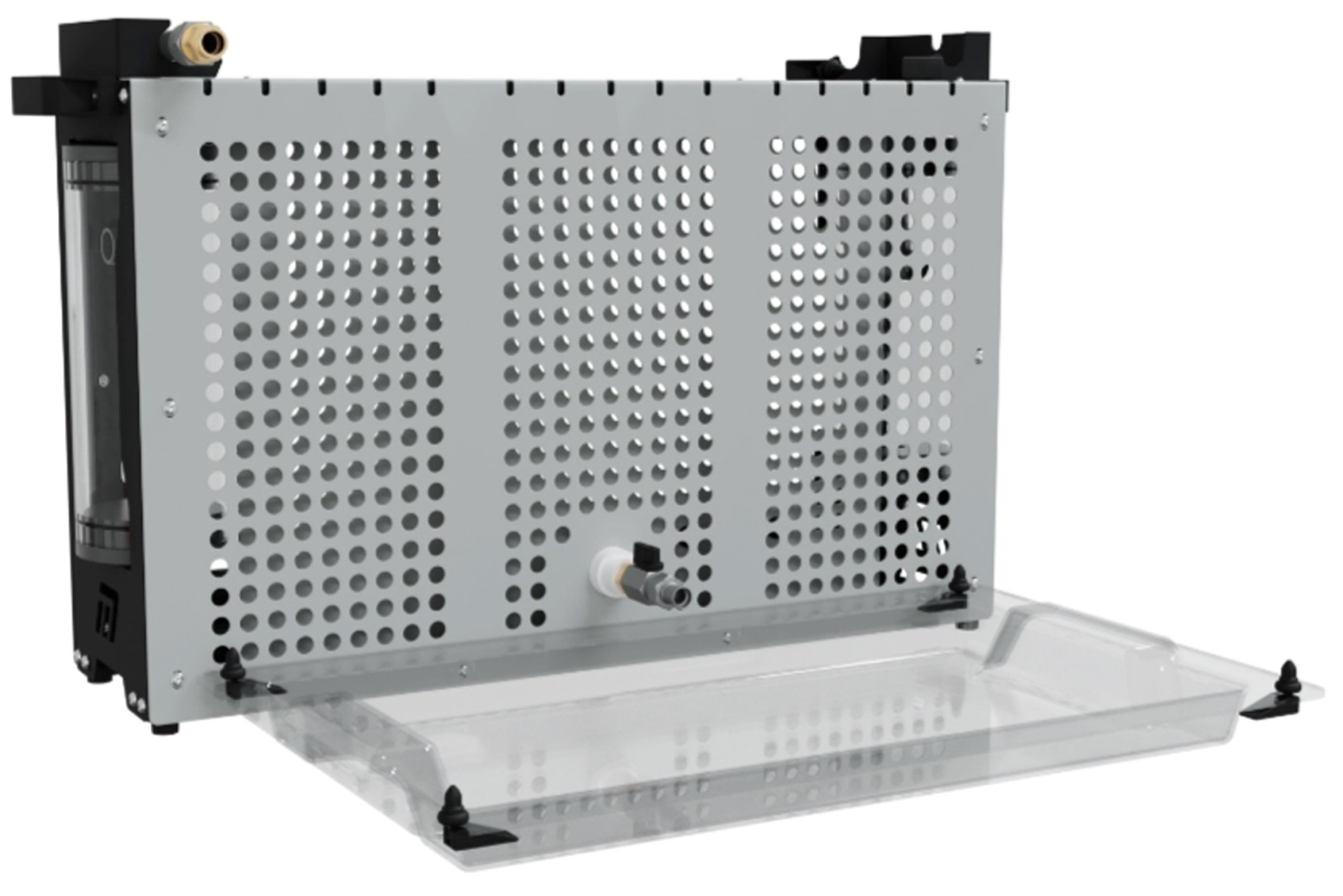
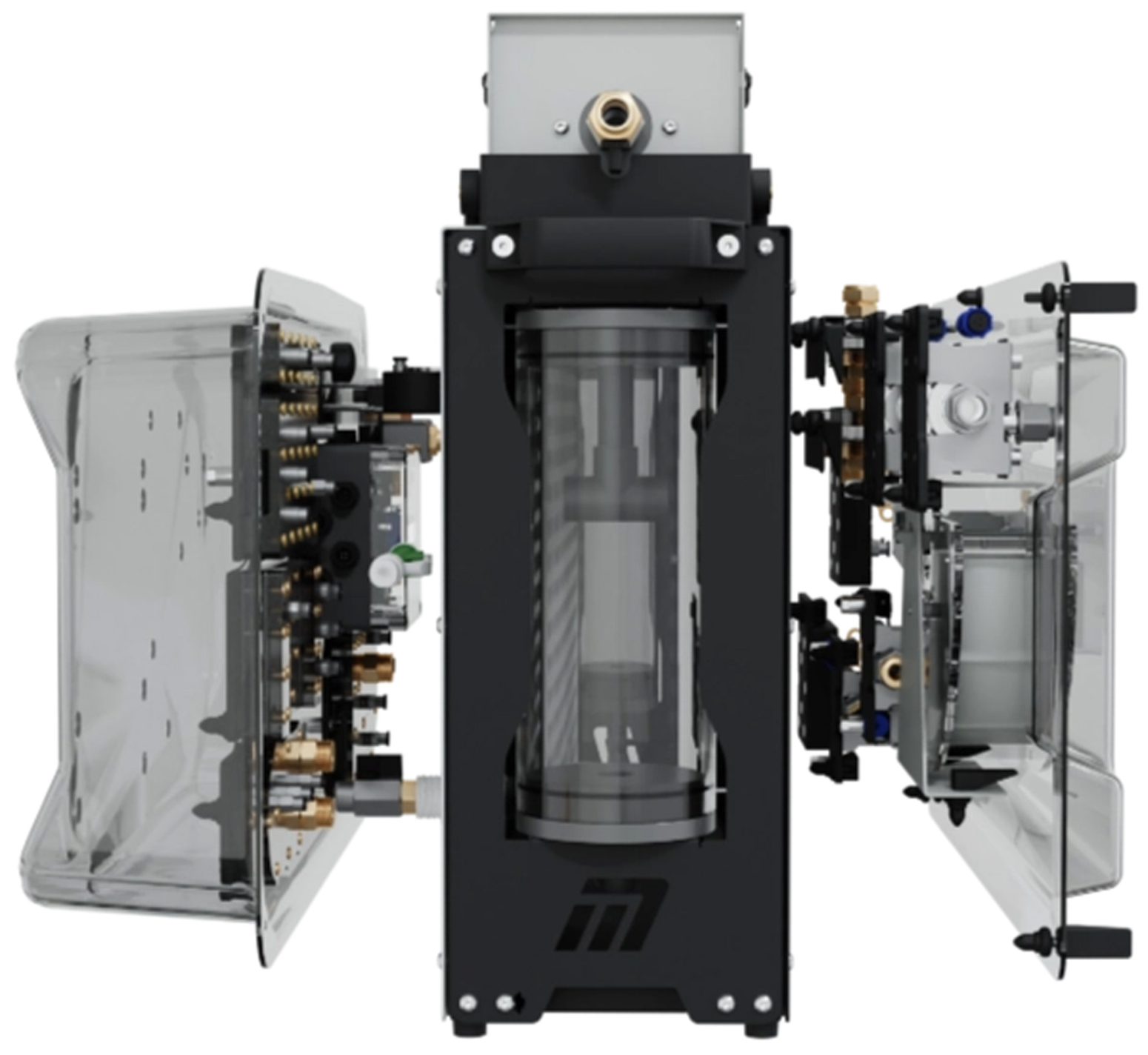
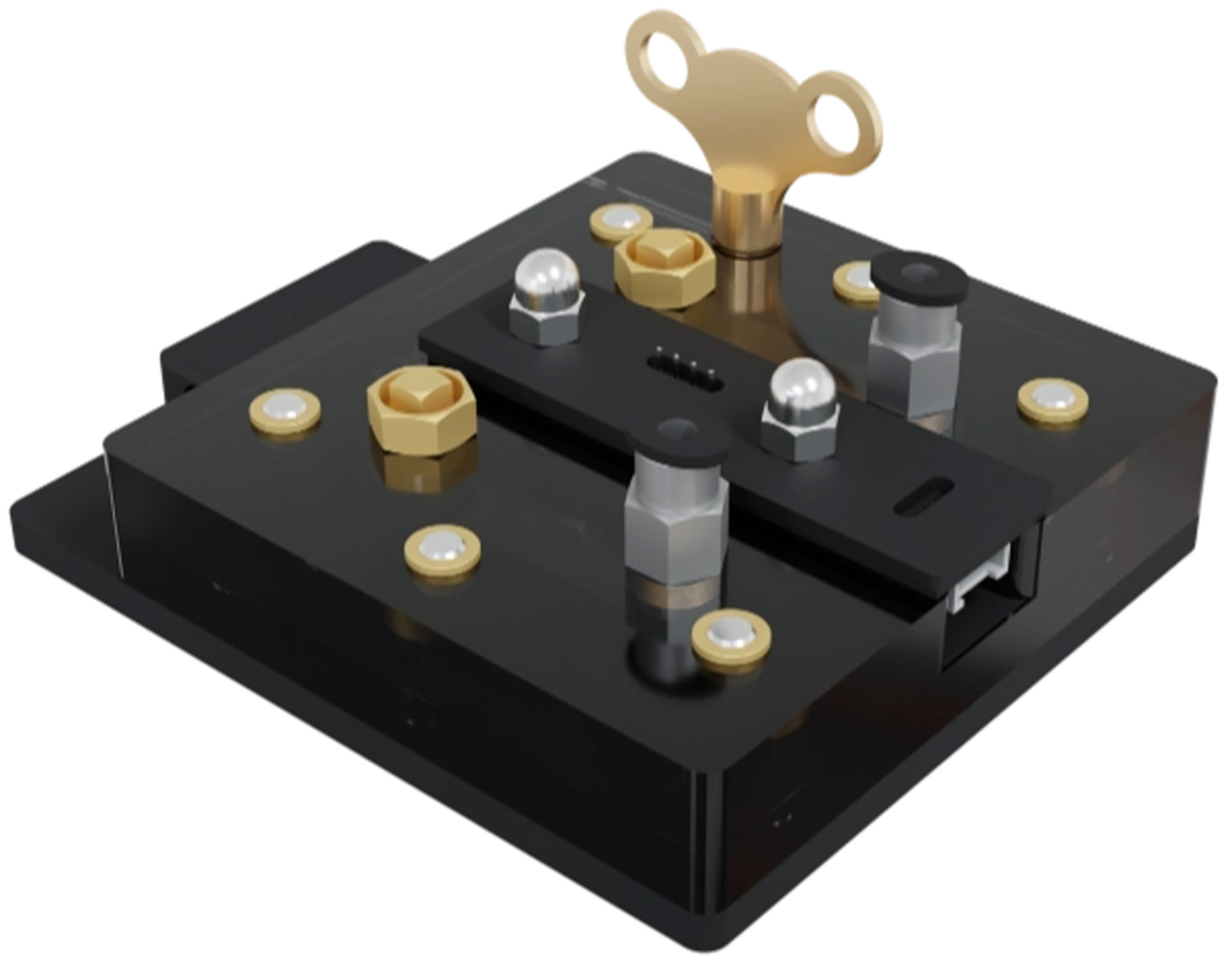
- Fundamental Fluids (FM1000) — A comprehensive training solution featuring hands-on experiments that introduce the core principles of fluid mechanics through practical investigation and engineering analysis.
Additional engineering training solutions are available to complement fluid mechanics instruction as laboratory requirements expand.
Fluid mechanics is essential across industries including manufacturing, energy, aerospace, transportation, water systems, process industries, and industrial automation. By combining theoretical instruction with practical experimentation, students develop the confidence and technical skills needed to analyze, troubleshoot, and optimize real-world fluid systems.
The Fundamental Fluids system includes a wide range of hands-on experiments that help students connect fluid mechanics theory to practical engineering applications. Learners investigate pressure, flow, viscosity, pump performance, and energy losses using real measurements, calculations, and data analysis.
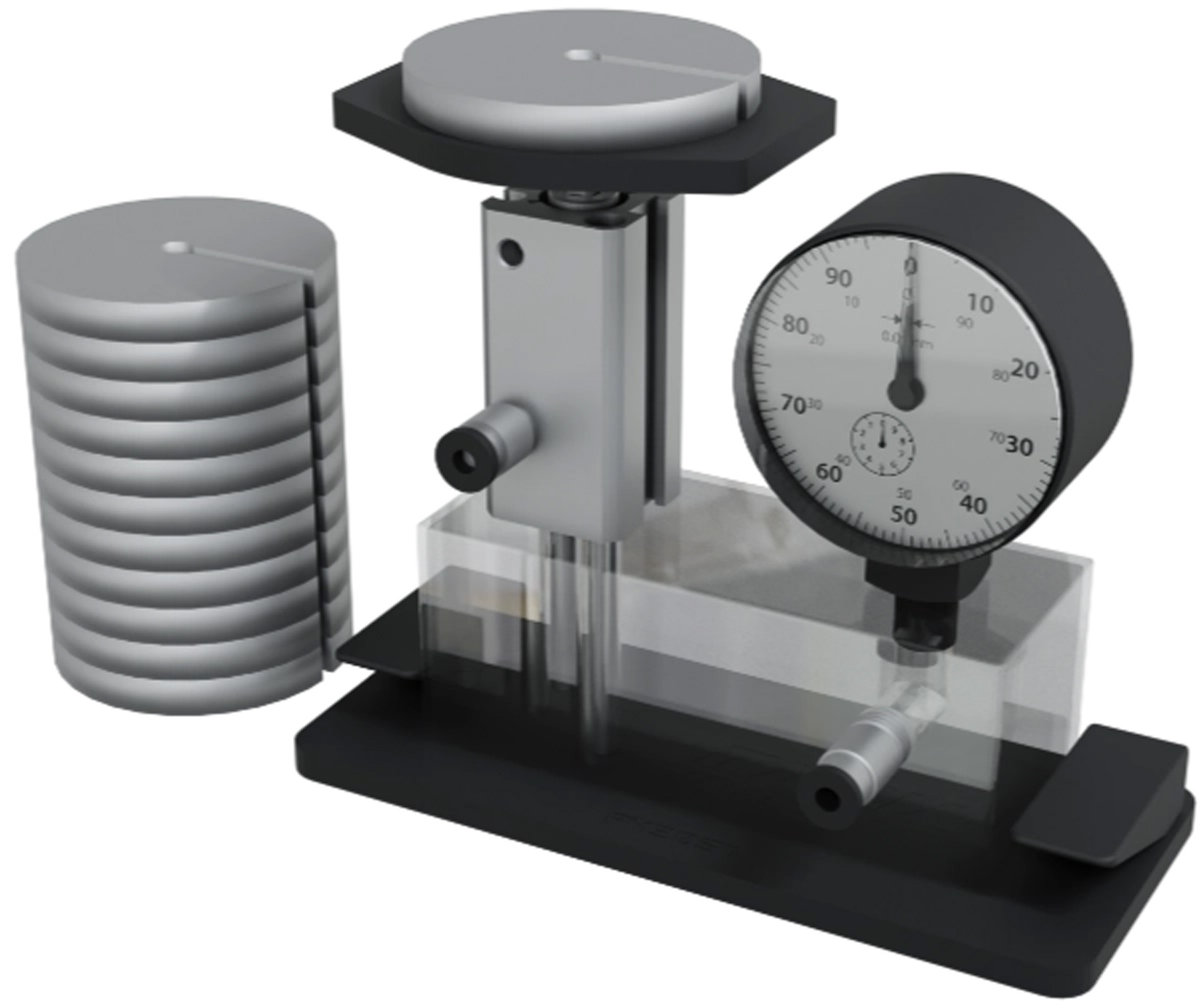
Bourdon Gauge Calibration
Calibrate a Bourdon gauge and compare pressure readings against known reference values to understand pressure measurement accuracy.
Center of Pressure
Investigate the center of pressure on partially and fully submerged plane surfaces while exploring hydrostatic forces.
Viscosity & Stoke's Law
Study fluid viscosity and demonstrate Stoke's Law by observing the behavior of objects moving through fluids.
Manometers
Use multitube, U-tube, and inclined manometers to measure pressure differences and compare their applications.
Bernoulli & Venturi Tube
Apply Bernoulli's Equation while using a Venturi tube to measure flow rate and investigate fluid velocity.
Losses in Bends
Measure and compare pressure losses created by different pipe bend geometries and flow conditions.
Centrifugal Pump
Determine pump pressure and flow characteristics while calculating the overall efficiency of a centrifugal pump.
Series Pumps
Evaluate how two pumps connected in series affect pressure, flow rate, and overall system performance.
Parallel Pumps
Investigate the pressure and flow characteristics of two pumps operating together in a parallel configuration.