

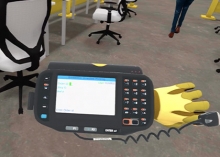
VR Hard Hat's Warehouse Picking: Case virtual reality course is meticulously designed to provide insights into the best practices of case picking, ensuring both speed and precision.
Hose and Tube Fitting
Amatrol’s Pneumatic Fitting Construction Learning System (94-PFC-1) covers how to select the proper fittings required for connecting components and installing fittings to hoses and flexible tubing. Major topics covered by the Pneumatic Fittings training system include air supply connections, control air connections, and power air connections. The topics and pneumatic skills included in this system are required knowledge for any technician or engineer involved in the construction of pneumatic systems.
The Pneumatic Fittings training system includes a tabletop workstation with pre-mounted pneumatic components like a pneumatic cylinder, flow control valve, manifold, and directional control valve. Learners will use these and other components to practice skills like installing a rubber hose onto a push-on type fitting, connecting tubing using a ferrule type fitting, and installing a bulkhead fitting. Working with these industrial-grade components will help learners gain confidence and build real-world applicable skills for rewarding careers like industrial maintenance technicians.
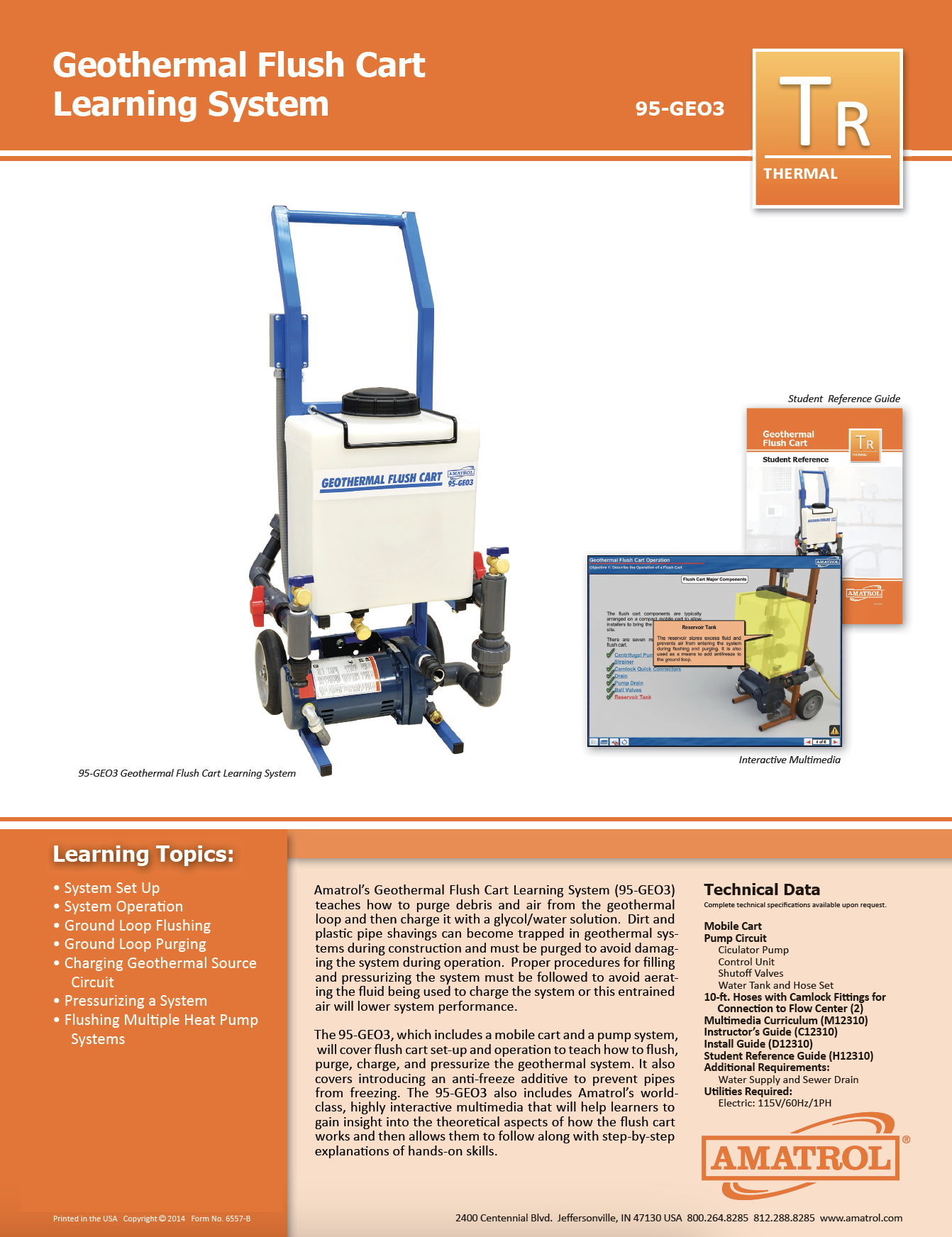
Amatrol’s Geothermal Flush Cart Learning System (95-GEO3) teaches how to purge debris and air from the geothermal loop and then charge it with a glycol/water solution. Dirt and plastic pipe shavings can become trapped in geothermal systems during construction and must be purged to avoid damaging the system during operation. Proper procedures for filling and pressurizing the system must be followed to avoid aerating the fluid being used to charge the system or this entrained air will lower system performance.
The 95-PAS2 Split Flange Coupling Learning System teaching learners how to identify, select, install and troubleshoot a split flange coupling. Incorrect assembly of a split flange coupling can lead to product failure, code compliance issues, and safety problems. Amatrol's Split Flange Coupling Learning system equips learners with the knowledge to select and use split flange coupling correctly, as well as teaching them the hands-on skills need to work well with these types of connections.
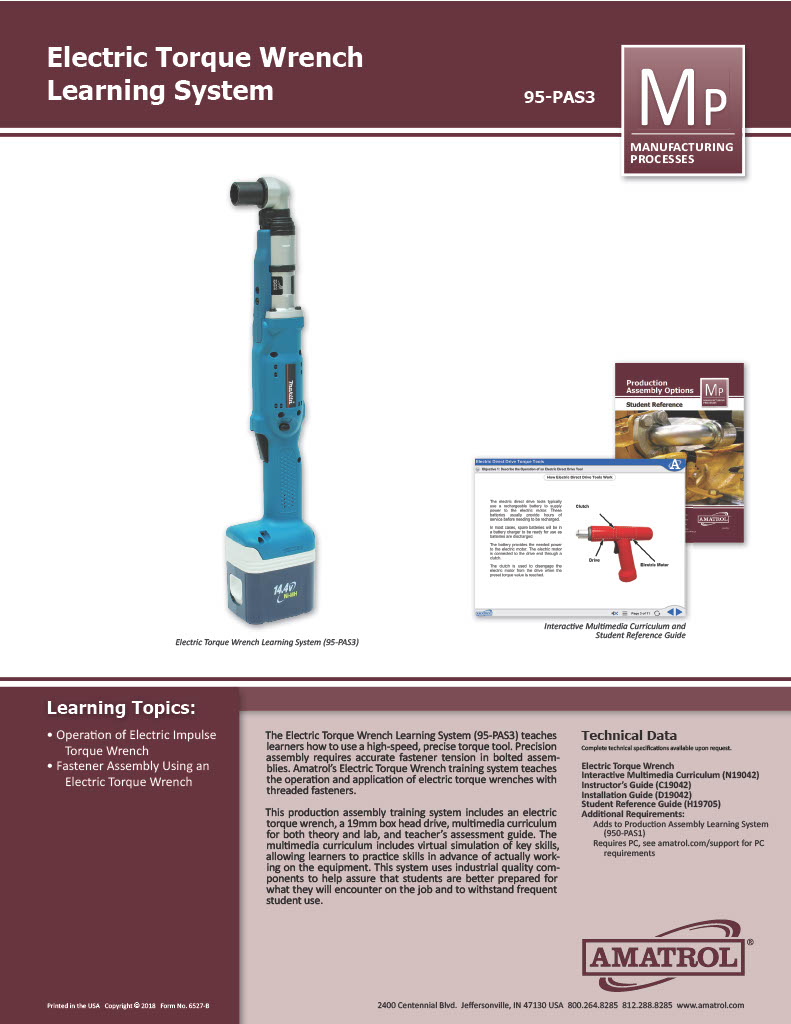
The Electric Torque Wrench Learning System (95-PAS3) teaches learners how to use a high-speed, precise torque tool. Precision assembly requires accurate fastener tension in bolted assemblies. Amatrol's Electric Torque Wrench training system teaches the operation and application of electric torque wrenches with threaded fasteners.
The Stall Bar Training System (95-PAS4) teaches learners how to use a stall bar torque tool to assemble threaded fasteners. These are often used in assembly operations requiring very accurate torque.
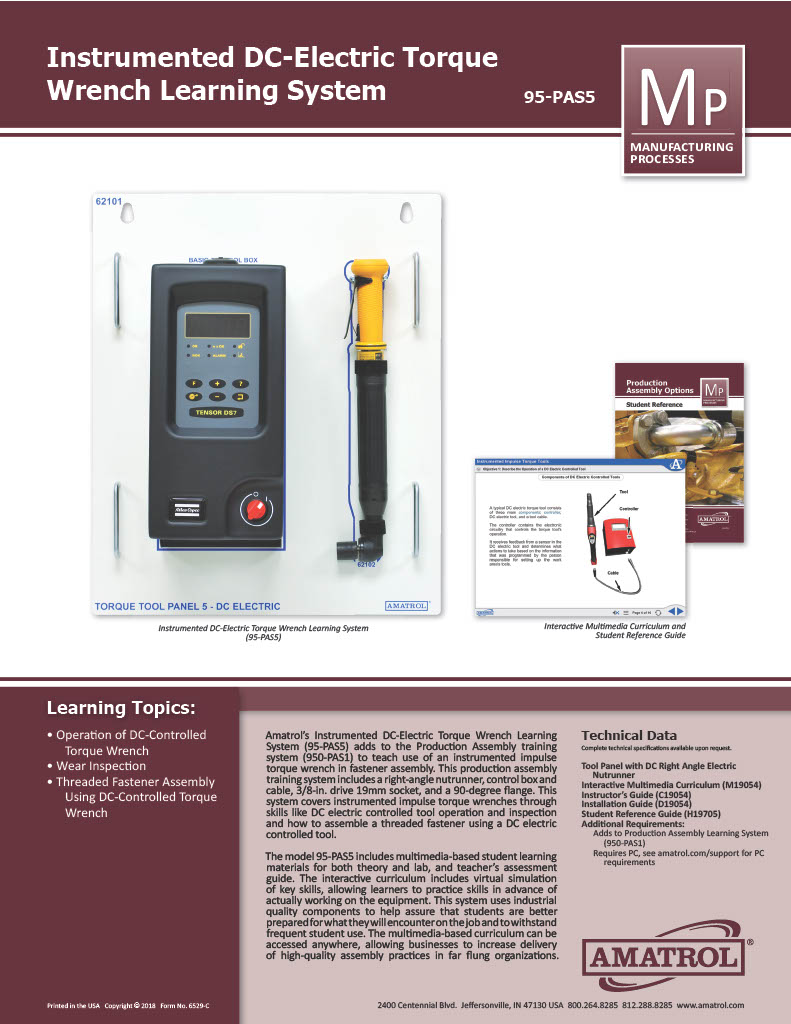
Amatrol's Instrumented DC-Electric Torque Wrench Learning System (95-PAS5) adds to the Production Assembly Training System (950-PAS1) to teach use of an instrumented impulse torque wrench in fastener assembly. This production assembly training system includes a right-angle nutrunner, control box and cable, 3/8-in. drive 19mm socket, and a 90-degree flange. This system covers instrumented impulse torque wrenches through skills like DC electric controlled tool operation and inspection and how to assemble a threaded fastener using a DC electric controlled tool.
Hands-On Skills with Parallel and Series Pumps
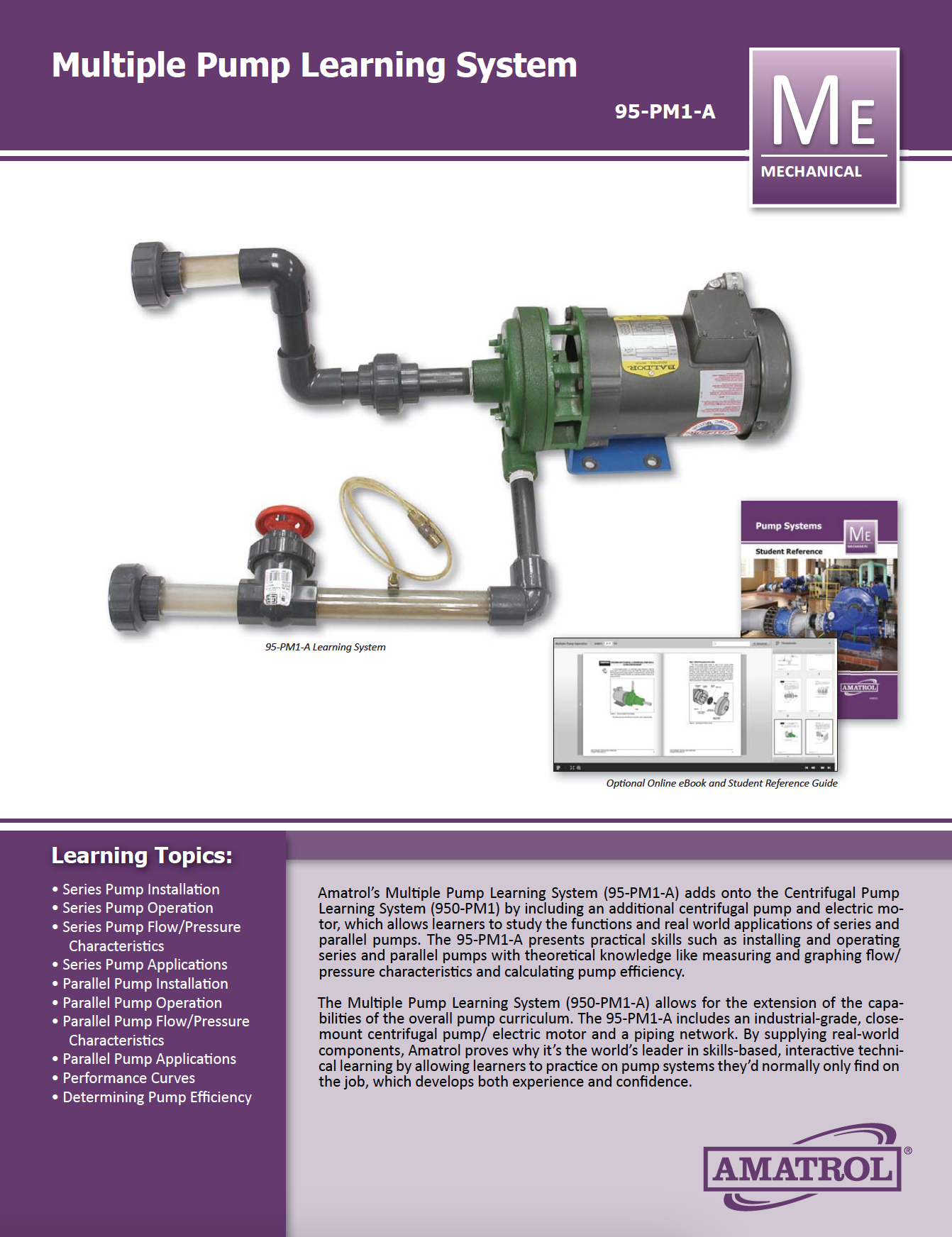
Amatrol’s Multiple Pump Learning System (95-PM1-A) adds onto Amatrol’s Pumps training system (950-PM1) by including an additional centrifugal pump and electric motor, allowing learners to study the functions and real world applications of series and parallel pumps. This industrial pump training system presents practical skills such as pump installation and pump operation for series and parallel pumps with theoretical knowledge like measuring and graphing flow/pressure characteristics and calculating pump efficiency.
Pump Maintenance and Troubleshooting
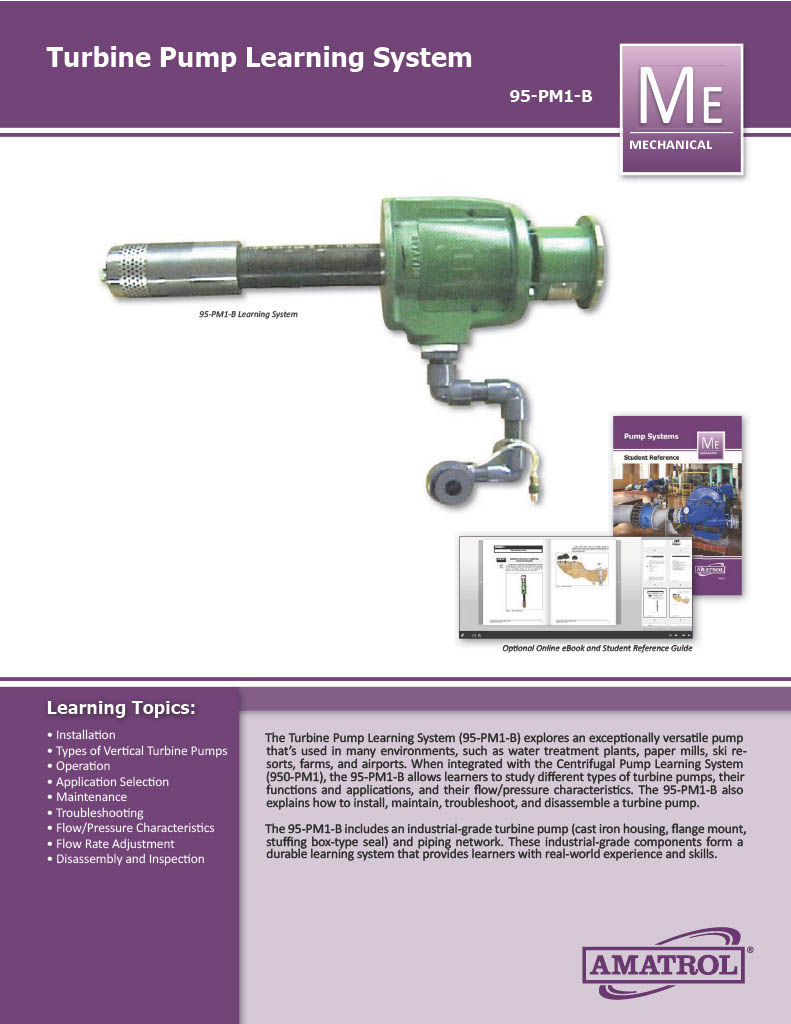
The Turbine Pump Learning System (95-PM1-B) explores an exceptionally versatile industrial pump that’s used in many environments, such as water treatment plants, paper mills, ski resorts, farms, and airports. When integrated with Amatrol’s centrifugal pumps training system (950-PM1), this system allows learners to get training on different types of turbine pumps, their functions and applications, and their flow/pressure characteristics. This system also explains pump installation, pump maintenance, pump troubleshooting, and how to disassemble a turbine pump.
Hands-On Skills with Parallel and Series Pumps
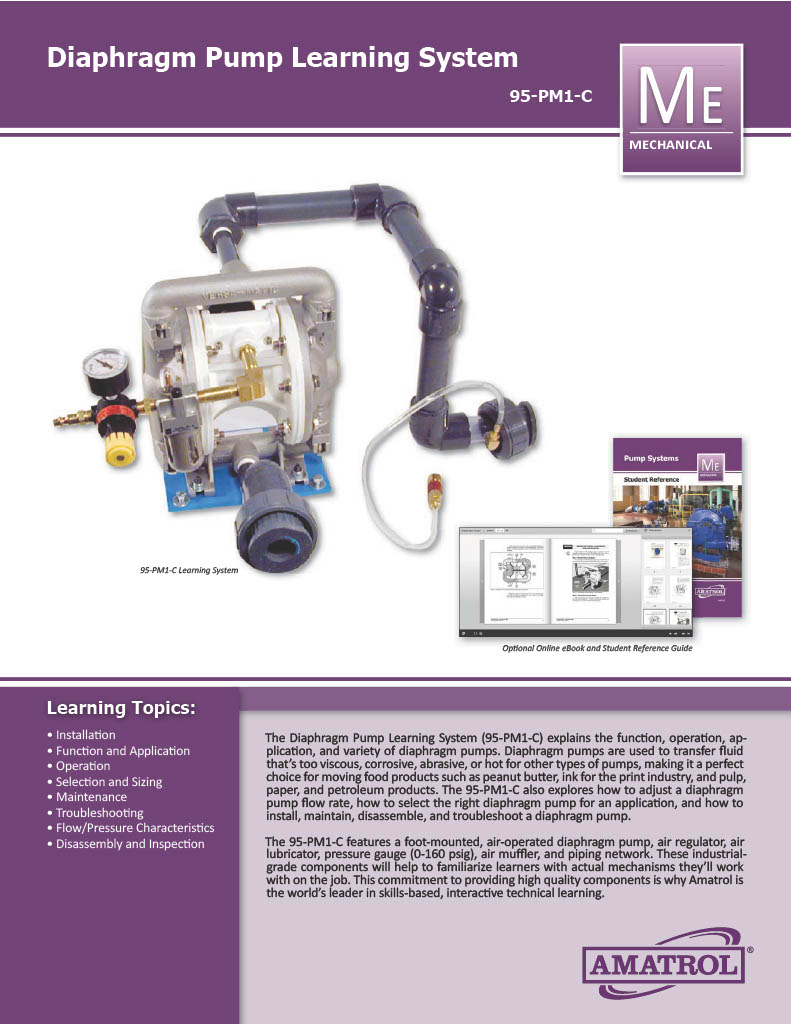
The Diaphragm Pump Learning System (95-PM1-C) explains the function, operation, application, and variety of diaphragm pumps. Diaphragm pumps are used to transfer fluid that’s too viscous, corrosive, abrasive, or hot for other types of industrial pumps, making it a perfect choice for moving food products such as peanut butter, ink for the print industry, and pulp, paper, and petroleum products. The diaphragm pump training system explores how to adjust a diaphragm pump flow rate, how to select the right diaphragm pump for an application. It also covers pump installation, pump maintenance, disassembly, and pump troubleshooting.
Pages
-
-
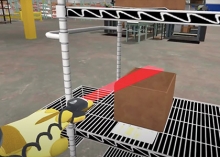 Front-end labeling, a vital component of the picking process, ensures that products are correctly identified, tracked, and dispatched. Proper labeling can reduce errors, improve efficiency, and enhance customer satisfaction. Hard Hat VR's course is designed to address the nuances of labeling at the initial stages of the picking process, ensuring that errors are minimized and efficiency is maximized.
 -
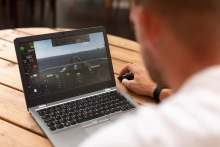 Leveraging 25 years of industry experience, unparalleled mathematical models and the latest techniques like gamification, virtual and augmented recreations, we offer the most sophisticated immersive training solutions to prepare mariners for the real world that awaits them onboard and onshore. These simulation solutions also expedite innovation and research processes by acting as the perfect testbed for new concepts and products that then directly contribute to the decarbonization and commercialization of the solutions.
 -
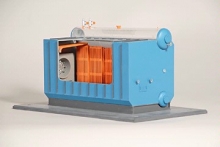 Item Number:355DAC Worldwide’s Water Tube Boiler Model (355) depicts a highly-detailed scale model of a common water tube boiler in a technically-accurate, professionally-crafted design. The model supports training in the operation and maintenance of industrial boilers found within utility systems in industrial facilities.
 -
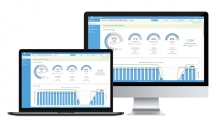 WebLytics from OnRobot is the first software solution that provides real-time production monitoring for collaborative applications across major robot brands.
 -
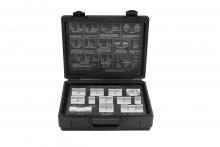 Item Number:825-000DAC Worldwide’s Weld Fault Comparison Kit (825-000) is a three-dimensional visual aid with accompanying training materials that facilitates basic training in weld quality and weld fault terminology by accurately depicting and identifying common weld defects.
 -
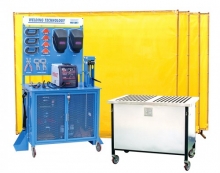 Item Number:950-WT1Welding is central to many industries including manufacturing, construction, and aerospace to name only a few. Welding is a blend of both art and science, joined together to create enduring bonds that allow us to create structures and machines on a scale impossible to achieve without it. The 950-WT1 teaches how to safely create an array of high quality weld types.
 -
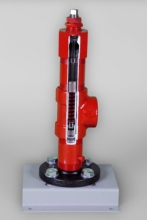 Item Number:295-703DAC's Wellhead Backpressure Regulator Cutaway (295-703) is a sectioned specialty regulator example for training in the operation, construction, and maintenance of three industrial back pressure regulators (BPRs), as used in gas and oil service in the oilfield.
 -
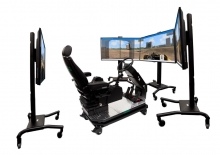 Item Number:WLSimlog’s Wheel Loader Personal Simulator is equipped with either a bucket or forks, at work in a typical construction site with a dump truck or flatbed truck. Configuration options are offered for both “Steering Wheel Steering” and “Stick Steering”, to reproduce the operator controls of (real) small, medium, and large-size wheel loaders.
 -
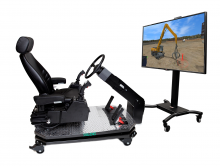 Item Number:WMHSimlog's new Wheeled Material Handler Personal Simulator puts you at the controls of a typical wheeled material handler equipped with an articulated boom, four-tine grapple, elevating cab, and outriggers. Many different kinds of situations typical of (metal) scrap recycling yards are presented, in order to address the training needs of a wide variety of customers using different operational practices.