Integrated Mechanical, Electrical & PLC Automation
Modern manufacturing depends on technicians who understand how mechanical systems, electrical components, pneumatics, and programmable logic controllers (PLCs) work together. Mechatronics training bridges these disciplines, giving learners the ability to install, operate, troubleshoot, and maintain automated systems.
Our Mechatronics Training Systems provide hands-on, integrated learning platforms that simulate real-world industrial automation environments. Students gain practical experience working with sensors, actuators, motors, conveyors, pneumatic devices, and PLC-controlled processes—developing the cross-functional skills demanded in advanced manufacturing.
Why Mechatronics Training Matters
- Builds multi-discipline technical skills
- Supports Industry 4.0 and smart manufacturing pathways
- Develops troubleshooting and systems-thinking abilities
- Prepares learners for high-demand automation careers
- Aligns with stackable certifications and workforce credentials
Hands-On Automation Skills Development
Mechatronics systems allow learners to interact with fully operational automation processes. Students wire electrical components, configure PLC programs, install pneumatic circuits, align mechanical assemblies, and test system performance under realistic operating conditions.
By working with integrated systems rather than isolated components, learners develop a holistic understanding of how industrial equipment operates—and how to diagnose and correct faults efficiently.
Core Learning Topics
- Mechanical assembly and alignment
- Electrical wiring and motor control
- PLC programming and ladder logic
- Sensor integration and feedback systems
- Pneumatic system design and troubleshooting
- Human Machine Interface (HMI) fundamentals
- Industrial safety procedures
- System troubleshooting and maintenance
Flexible Configurations for Education & Industry
Mechatronics platforms are available in scalable configurations, from tabletop systems for introductory programs to full production-style workcells for advanced automation training. These systems are ideal for high school CTE programs, technical colleges, universities, apprenticeship programs, and industrial workforce development.
Systems can also integrate with robotics, CNC machine tending, smart sensors, and data-driven manufacturing platforms to create comprehensive automation labs.
Workforce Applications
- Industrial maintenance technician training
- Automation and controls technician programs
- Robotics and smart factory pathways
- Apprenticeship and upskilling initiatives
- Engineering technology labs
Get Started
Whether you are building a new automation program or upgrading an existing lab, mechatronics training systems provide the integrated, hands-on experience needed to prepare learners for modern manufacturing careers.
Contact us today to discuss configurations, certification alignment, and funding opportunities for your program.
Today’s automotive technicians must understand increasingly complex electrical and electronic vehicle systems. From lighting and charging circuits to sensors, actuators, and body control systems, modern vehicles rely on integrated technology that requires both theoretical knowledge and hands-on diagnostic skills.
LJ Create Automotive Panel Trainers provide a safe, structured, and highly visual learning platform for teaching automotive electrical and electronic systems. Designed specifically for education and workforce training environments, these panel trainers allow students to explore real-world circuits, perform measurements, diagnose faults, and build confidence before working on live vehicles.
- Real automotive components mounted on durable training panels
- Clearly labeled circuits for structured learning
- Safe, low-risk training environment
- Supports hands-on diagnostics and troubleshooting
- Aligned with automotive career pathways
LJ Create panel trainers allow learners to build practical skills in automotive wiring, circuit testing, and system diagnostics. Students use multimeters, test equipment, and structured lab activities to measure voltage, current, resistance, and signal patterns.
By working on clearly organized training panels before transitioning to full vehicles, learners gain foundational understanding while reducing the risk of component damage and improving diagnostic confidence.
- Basic automotive electrical principles
- Wiring diagrams and circuit interpretation
- Lighting and accessory circuits
- Charging and starting systems
- Sensors and actuators
- Body electrical systems
- Fault finding and diagnostic procedures
- Safe use of automotive test equipment
LJ Create Automotive Panel Trainers are ideal for high school CTE automotive programs, technical colleges, community colleges, and apprenticeship pathways. Their modular design allows institutions to select panels that align with specific curriculum goals—from foundational electrical systems to advanced electronic diagnostics.
These systems integrate easily into automotive labs and complement live vehicle training, helping programs build structured, progressive skill development models.
- Automotive Technology CTE programs
- Community and technical college automotive labs
- Apprenticeship and pre-apprenticeship programs
- Workforce development initiatives
- Instructor-led or blended learning environments
Prepare Technicians for the Future of Electric and Autonomous Vehicle Service
Lucas-Nuelle’s ASE-aligned training systems combine real vehicle components, guided eLearning, and safe diagnostic simulation—empowering learners to confidently service high-voltage and driver-assistance technologies.
Amatrol’s Mitsubishi automation training solutions provide industry-aligned instruction using authentic industrial components from Mitsubishi Electric. Students gain practical experience working with PLCs, HMIs, variable frequency drives, and integrated automation systems that mirror the technologies used in modern manufacturing facilities.
Designed to support mechatronics, industrial maintenance, and automation pathways, these systems bridge the gap between classroom theory and real-world application. Learners build programming, troubleshooting, and system-integration skills that prepare them for careers in advanced manufacturing and smart factory environments.
VR Modules for CTE & Workforce Electrical Training Programs
Electrical programs are balancing safety, lab capacity, equipment costs, and the need for students to build real confidence before working on live systems.
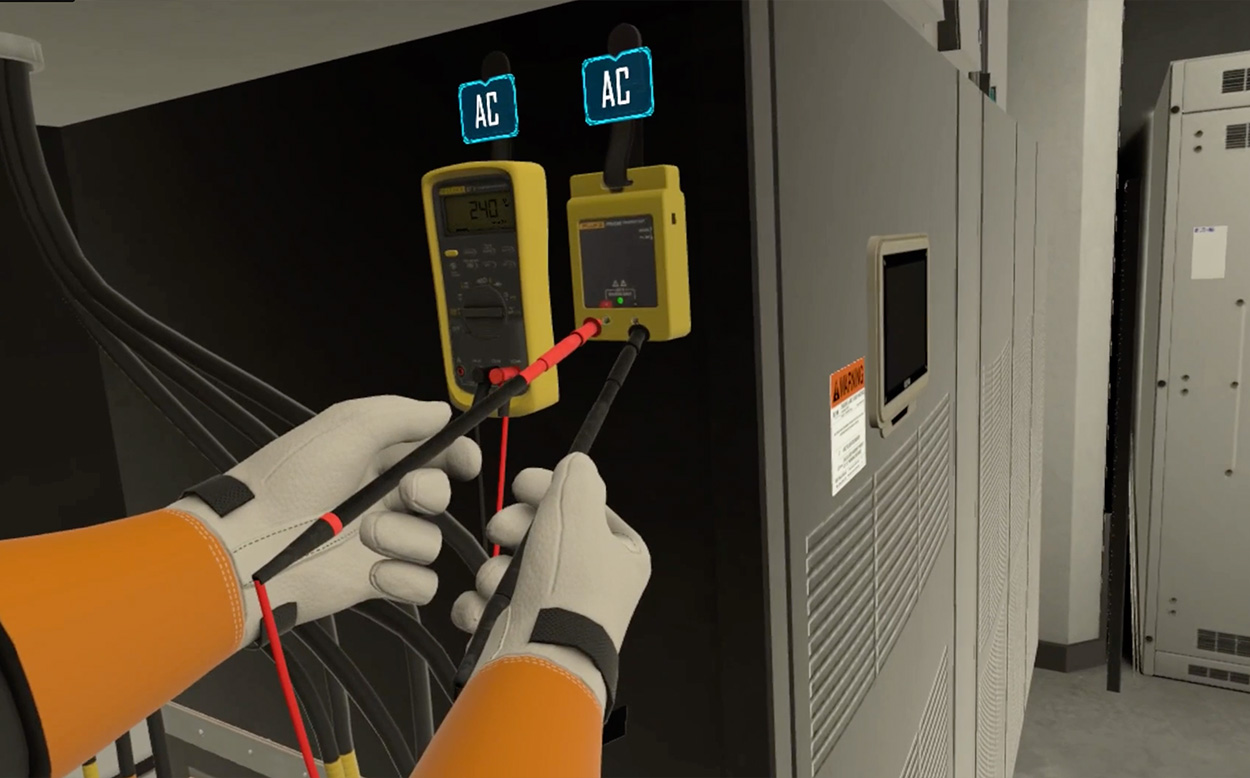
Through our partnership with Hard Hat VR, schools can integrate immersive, skills-based VR modules that reinforce classroom instruction and prepare students for hands-on lab work and apprenticeships.
These modules are designed specifically for skilled trades and industrial electrical training.
Available Electrical Modules
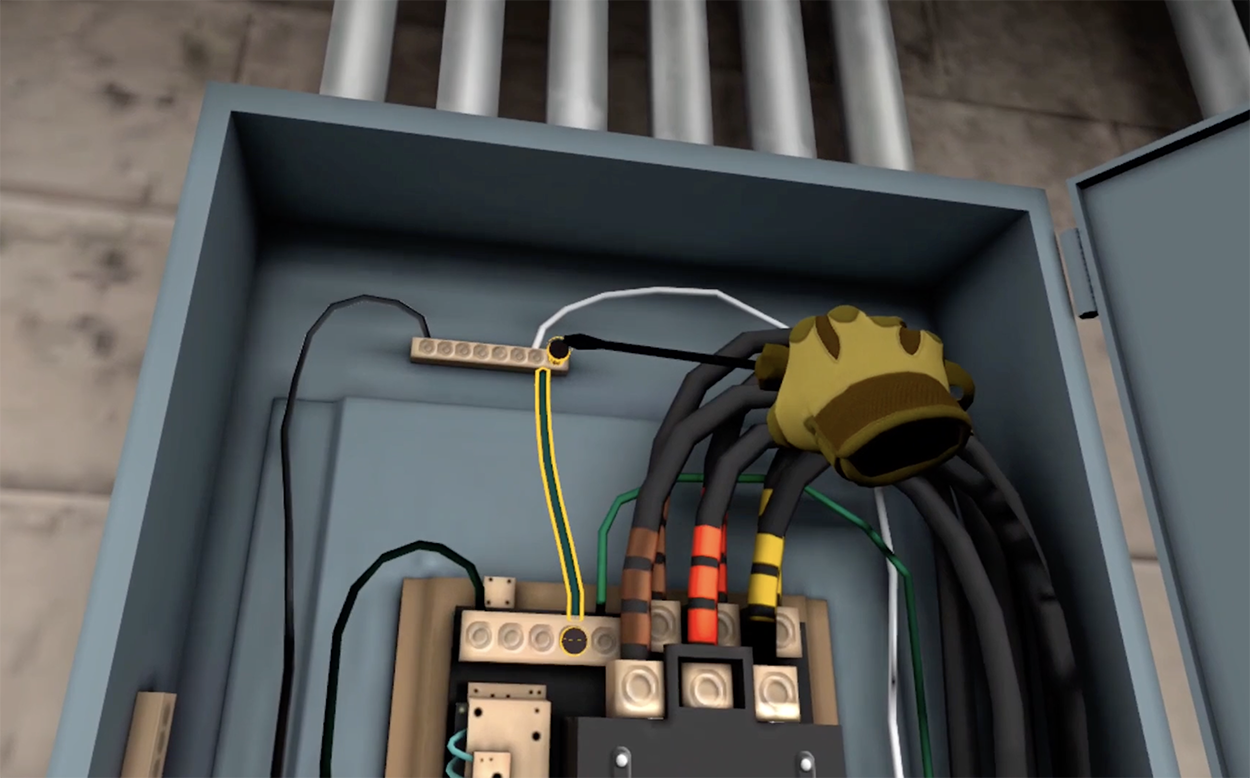
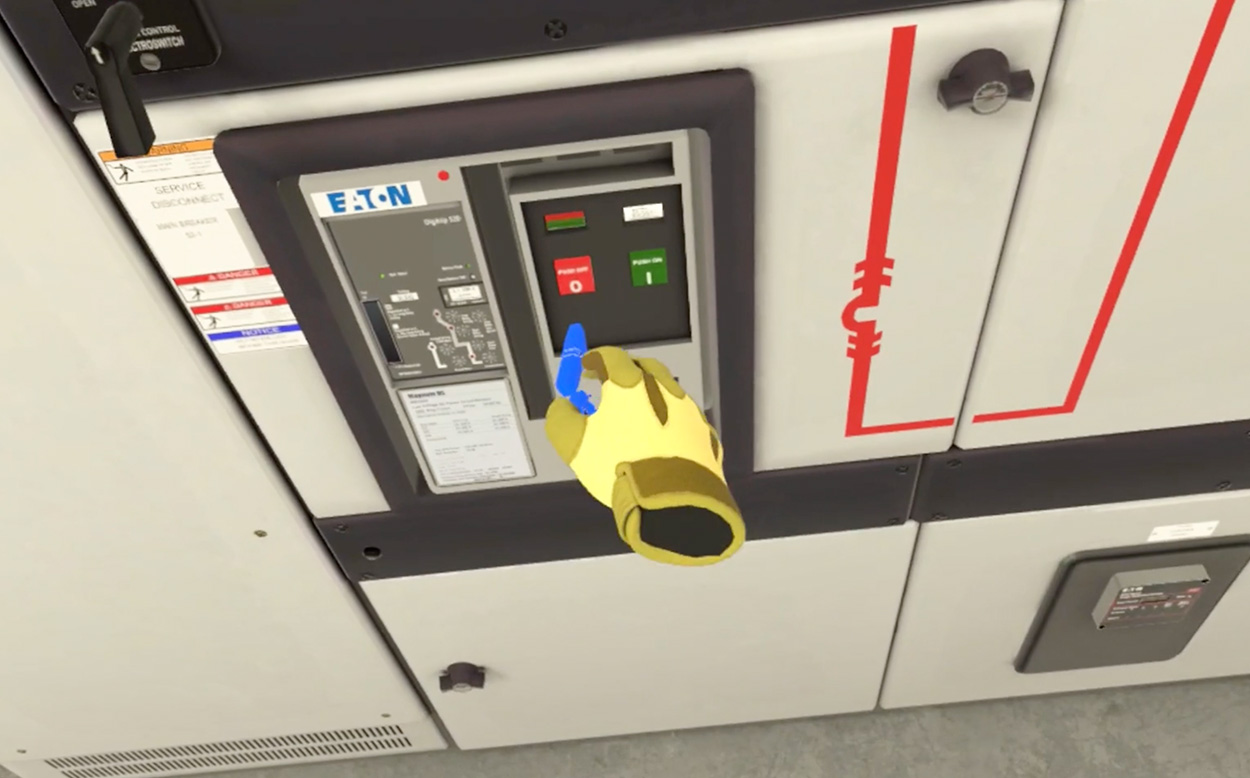

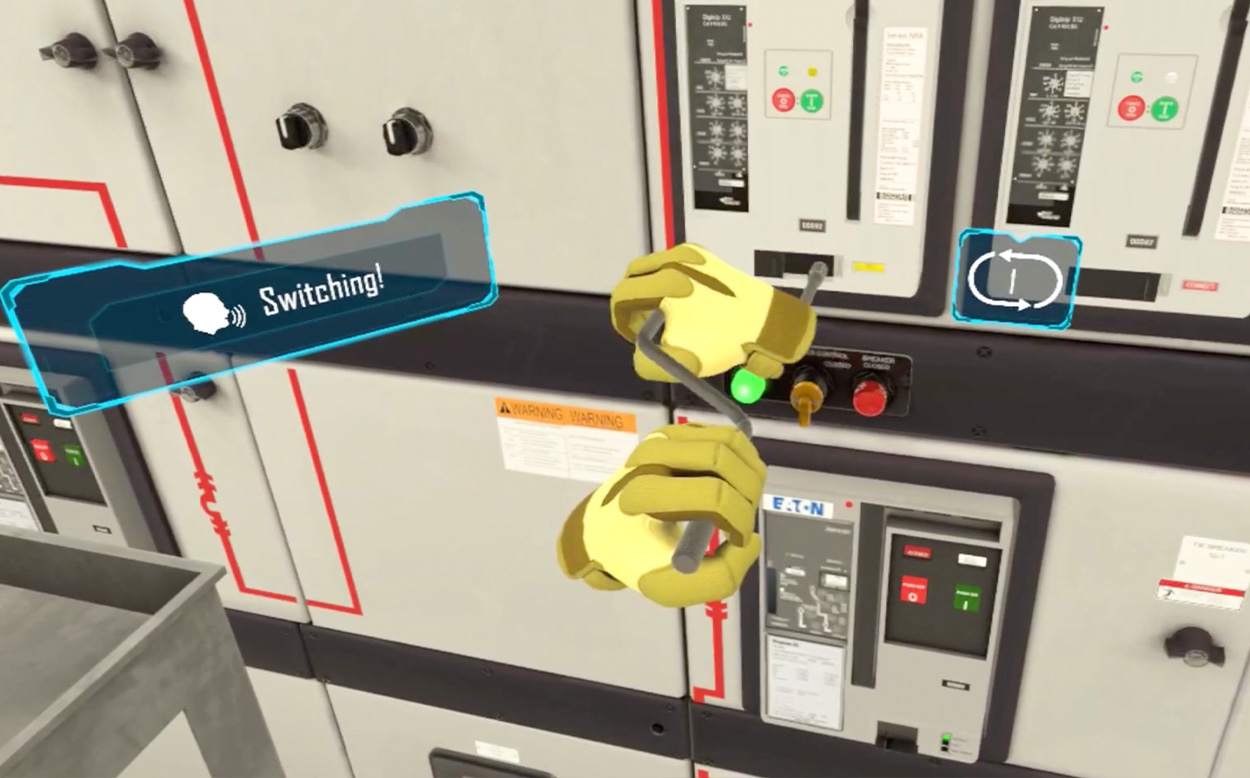
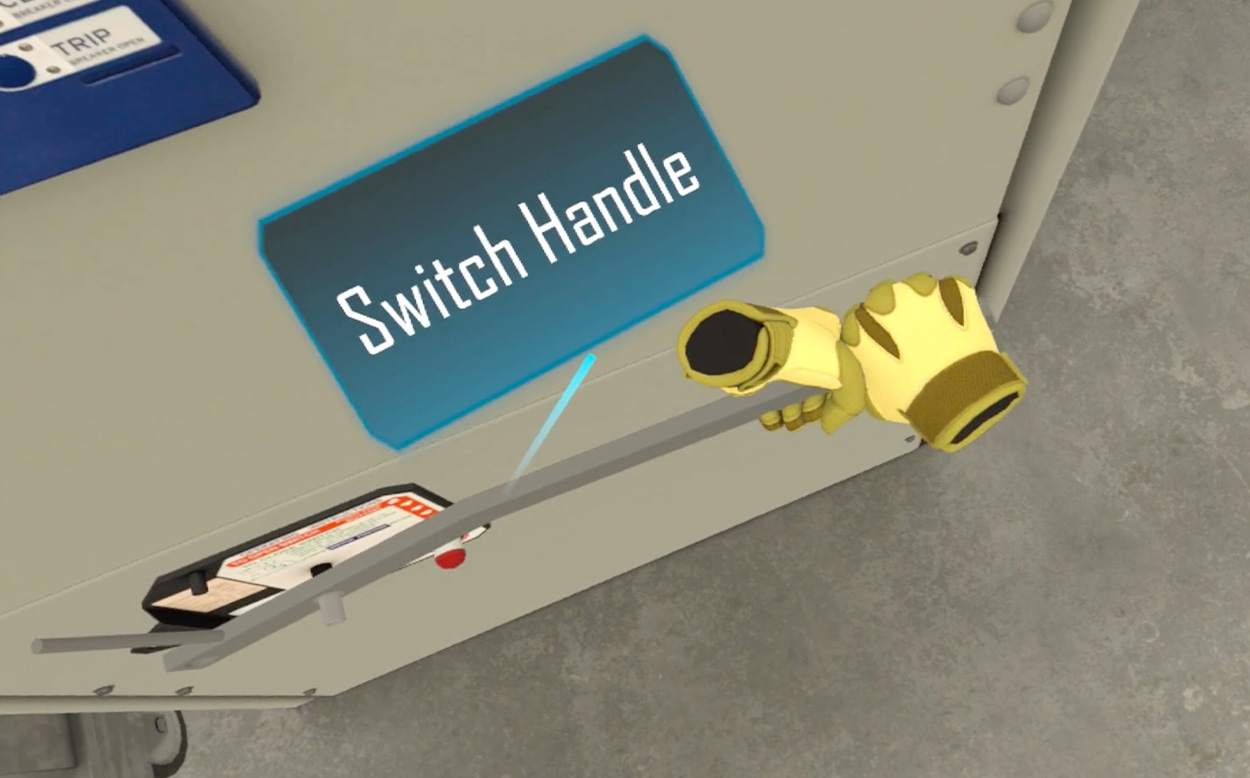
How Programs Are Using VR in Electrical Training
Schools are integrating VR to:
- Reinforce safety before students touch live equipment
- Provide structured, repeatable skills practice
- Reduce lab bottlenecks
- Increase engagement for visual and hands-on learners
- Support apprenticeship and workforce preparation
VR does not replace hands-on training—it strengthens it. Students can make mistakes, repeat procedures, and build confidence before transitioning to live systems.
Working with industrial power systems requires precision, procedural discipline, and a strong understanding of electrical safety. Large-frame power circuit breakers play a critical role in protecting equipment, maintaining system reliability, and preventing costly electrical failures.
This immersive VR training program allows learners to gain hands-on experience with breaker operation, maintenance, and troubleshooting in a safe, controlled environment. Participants build confidence and procedural accuracy before transitioning to live equipment.
Why Integrate This Training Into Your Electrical Program?
- Understand Critical Power Systems – Learn the role and importance of low-voltage power circuit breakers in electrical distribution systems.
- Safe Operation & Switching Procedures – Follow step-by-step guidance for proper breaker handling without exposure to live voltage risk.
- Hands-On Breaker Racking Practice – Practice racking the breaker in and out manually or using a motorized charge system.
- Reduce Downtime & Electrical Failures – Strengthen troubleshooting skills to help prevent system disruptions.
Who Will Benefit?
- Electricians and electrical apprentices
- Industrial and maintenance technicians
- Facility and maintenance managers
- Power system operators
- CTE and technical college electrical programs
Program Outcomes
Participants gain a clearer understanding of breaker operation, improve safety awareness, and develop confidence in performing essential procedures related to industrial power distribution systems.
- Strengthen workplace electrical safety
- Improve system reliability
- Reinforce compliance with industry safety standards
- Support workforce readiness and apprenticeship preparation
Medium voltage switches (MVS) play a critical role in managing and protecting electrical distribution networks. Proper operation and maintenance are essential to prevent electrical hazards, minimize downtime, and maintain system reliability in commercial and industrial facilities.
This immersive virtual reality training program provides hands-on experience with medium voltage switch systems in a safe, controlled environment. Learners can practice procedures, build confidence, and reinforce safety protocols before working with live equipment.
Why Integrate Medium Voltage Switch VR Training?
- Understand Critical Power Systems – Learn the purpose and function of medium voltage switches in electrical distribution networks.
- Safe Operation Procedures – Practice proper switching techniques and circuit transitions using guided, step-by-step instruction.
- Routine Inspections & Maintenance – Develop preventative maintenance skills to ensure system integrity.
- Reduce Electrical Hazards – Gain experience recognizing unsafe conditions and reinforcing compliance with industry safety standards.
Who Will Benefit?
- Electricians and electrical apprentices
- Industrial and maintenance technicians
- Facility and maintenance managers
- Power system operators
- CTE and technical college electrical programs
Program Outcomes
Participants strengthen their understanding of medium voltage distribution systems while improving procedural accuracy and safety awareness.
- Prevent power failures and safety incidents
- Improve system reliability and uptime
- Reinforce safe handling and switching procedures
- Support apprenticeship preparation and workforce readiness
Program Integration
This VR training can be incorporated into advanced electrical systems courses, industrial maintenance programs, apprenticeship preparation, or power distribution instruction. It enhances classroom learning while reducing risk and improving readiness before students transition to live medium voltage systems.
Low-voltage power distribution systems depend on reliable air circuit breakers to protect equipment and maintain system stability. Understanding proper breaker operation, inspection, and troubleshooting procedures is essential for preventing equipment damage and avoiding costly downtime.
This immersive virtual reality training course provides hands-on experience with air circuit breaker operation in a safe, controlled environment. Learners can practice critical procedures, build troubleshooting skills, and strengthen safety awareness before working with live electrical systems.
Why Integrate Breaker VR Training?
- Understand Critical Power Systems – Learn the role and function of low-voltage breakers in electrical distribution.
- Safe Operation Procedures – Practice racking the breaker in and out, closing, and tripping the breaker using guided, step-by-step instruction.
- Hands-On Troubleshooting – Identify and resolve common breaker issues to minimize downtime.
- Prevent Electrical Hazards – Gain practical experience without the risks associated with live equipment exposure.
Who Will Benefit?
- Electricians and electrical apprentices
- Industrial and maintenance technicians
- Facility and maintenance managers
- Power system operators
- CTE and technical college electrical programs
Program Outcomes
- Improve workplace electrical safety and reliability
- Reduce risk of equipment damage and power failures
- Strengthen compliance with industry safety standards
- Increase confidence in safe breaker handling and maintenance procedures