Prepare learners for the future of Industry 4.0 with the Amatrol 990-SM10 Smart Manufacturing Learning System, developed in collaboration with CESMI – the Smart Manufacturing Institute. This hands-on, portable trainer is designed to guide students from foundational concepts to advanced applications in smart manufacturing. With cutting-edge hardware, industrial-grade software, and real-world IT/OT integration capabilities, the 990-SM10 delivers practical experience in monitoring equipment, optimizing energy use, and building connected factory solutions.

Students will engage directly with essential technologies like sensors, PLCs, OPC UA, MQTT, and cloud infrastructure, using both wired and wireless configurations. Its compact, rugged design includes roller wheels and a built-in storage pouch, making it ideal for classroom or lab use. Whether you're launching a smart manufacturing curriculum or upgrading an existing program, the Amatrol 990-SM10 is the flexible, future-ready solution your learners need.

At Area 31 Career Center, part of Ben Davis High School in Indianapolis, the Digital Integrated Manufacturing (DIM) program is giving students more than just classroom instruction—it's delivering real-world skills and job opportunities. Led by instructor Mike Morrow, this two-year program combines Amatrol’s hands-on training systems with project-based learning, industry credentials, and work-based internships that prepare students for careers in smart manufacturing, robotics, and IIoT.

With access to Amatrol’s Skill Boss, robotics trainers, and systems for pneumatics, hydraulics, and mechanical drives, students master the fundamentals employers need most. Through their second-year internships, students are gaining on-the-job experience—and job offers. In fact, for two years running, every senior who completed the work-based learning program has been hired before graduation. Area 31 is not just teaching skills—it's launching careers in advanced manufacturing.

At Kiel High School in Wisconsin, students are learning what it takes to thrive in modern manufacturing—before they even graduate. Through an innovative course combining engineering, mechatronics, and industry controls, instructor Ted Bonde and his students use Amatrol’s Industry 4.0 training systems to master real-world technologies like PLCs, pneumatics, hydraulics, and automation cells. With hands-on learning using tools like the Skill Boss, students gain both technical knowledge and confidence as they prepare for careers in manufacturing, engineering, and automation.

Kiel High School’s program stands out thanks to a forward-thinking four-school, four-industry consortium. This partnership provides access to advanced training equipment and real-world employer insights, ensuring students learn exactly what’s needed in today’s workforce. With local manufacturers eager to hire graduates straight from the program, this is a high school experience that leads directly to high-wage, high-skill careers—no four-year degree required.

In today’s rapidly growing renewable energy sector, skilled technicians are vital to maintaining the operational efficiency of wind turbines. Amatrol’s Turbine Electric Hub Troubleshooting Learning System (950-TEH1) delivers the hands-on, real-world training needed to prepare learners for the challenges of turbine operation and maintenance. With a focus on electric hub systems, this advanced training platform includes interactive fault troubleshooting, pitch control units, servo drives, blade positioning, and braking systems—everything a technician needs to diagnose and resolve critical issues.

Designed to simulate utility-scale turbines, the 950-TEH1 features over 30 computer-controlled faults and integrates seamlessly with Amatrol’s Turbine Nacelle Troubleshooting and Turbine Generator Control systems for a comprehensive wind energy learning experience. With 3-axis blade operation and a highly realistic interface, learners develop the adaptive skills needed to support the future of clean energy production. Whether you're starting a new wind energy program or upgrading an existing one, Amatrol’s 950-TEH1 system is your key to empowering the next generation of renewable energy technicians.

Amatrol’s Turbine Nacelle Troubleshooting Learning System (950-TNC1) offers comprehensive, hands-on training to prepare students and technicians for the challenges of maintaining utility-scale wind turbine systems. This advanced trainer replicates real-world turbine nacelle operations and includes a turbine control unit, hydraulic power system, yaw drive with dual motors, twist box, wind simulator, ultrasonic anemometer, and more—creating a fully functional training experience that mirrors field conditions.

Using Amatrol’s interactive multimedia curriculum and FaultPro, a computer-based fault insertion system, learners practice troubleshooting across all major subsystems—electrical, mechanical, and hydraulic. With exercises that simulate variable wind conditions and changing loads, students gain the skills needed to safely operate, adjust, and repair modern wind turbines. The 950-TNC1 is an essential training solution for any renewable energy or wind technology program looking to develop job-ready technicians.

Amatrol’s Wind Turbine Generator Control Troubleshooting Learning System (950-TGC1) delivers hands-on training for future wind energy technicians by simulating the real-world control systems found in utility-scale wind turbines. Featuring industrial components such as a generator control unit, power distribution panel, transformer, inductive filters, and a 3-phase inverter, this system equips learners with the skills to safely operate, adjust, and troubleshoot turbine generator systems.

With Amatrol’s integrated FaultPro software, instructors can insert up to 29 realistic faults across six key areas, allowing students to

  • Hands-On Training in Small Wind Technology

Hands-On Training in Small Wind Technology

Amatrol’s Small Scale Wind Turbine Technology systems deliver hands-on, comprehensive training in core wind energy principles. Built for students and professionals entering the renewable energy workforce, these systems cover a full spectrum of competencies: wind turbine operation, system performance, electrical integration, and battery storage. Learners explore both AC and DC wind systems, turbine siting, balance of system components, and the importance of energy conservation.

Pairable with complementary modules like Wind Concepts (950-WC1), Alternative Energy (850-AEW), and Grid-Tie Systems (85-GT), this training solution prepares students with the foundational and practical skills required in today’s green energy sector. Developed with safety, system efficiency, and real-world applications in mind, Amatrol’s small wind solutions are ideal for high schools, technical programs, and workforce development.

  • Utility Wind Turbine Systems with Real-World Troubleshooting

Utility Wind Turbine Systems with Real-World Troubleshooting

Amatrol’s Utility Scale Wind Turbine Technology learning systems offer immersive training on full-scale wind turbine subsystems, including the nacelle (950-TNC1), generator control (950-TGC1), and electric hub (950-TEH1). These units can function independently or be networked together via fiber optic connections, allowing students to simulate bringing a turbine online in a controlled environment.

Students engage with high-level technical concepts such as pitch control, yaw systems, safety loops, servo operations, battery management, and power distribution. This training prepares them for real-world turbine troubleshooting and system integration. Ideal for colleges, universities, and workforce training programs, Amatrol’s utility-scale wind systems replicate modern turbine environments with unmatched depth and detail.

Welcome to the future of industrial training—where innovation meets immersion. Amatrol’s VR Smart Factory transforms traditional learning with an interactive, headset-based simulation that places students directly inside an advanced automated facility. Using the Meta Quest VR headset, learners can explore key Industry 4.0 processes, including pneumatic pick-and-place systems, automated gauging for quality assurance, and inventory control powered by industrial robotics.

But this isn’t just a passive viewing experience. The VR Smart Factory enables learners to participate in experimentation, troubleshooting, and mastering real-world skills in a safe and risk-free environment. When paired with Amatrol’s physical trainers, this blended learning approach offers the best of both worlds, enabling educators to simulate high-stakes scenarios and reinforce critical concepts with confidence. It’s time to bridge the gap between theory and practice. It’s time to prepare your students for the smart factories of tomorrow.

Pages

  • SACA’s Certified Industry 4.0 Professional certification
    SACA’s Certified Industry 4.0 Professional certification is an engineering certification that focuses on the analysis, design, and optimization of Industry 4.0 systems. It prepares engineers to succeed in positions in modern production environments that use Industry 4.0 technologies.
  • SACA Smart Automation Certifications
    SACA’s Specialist certifications certify Industry 4.0 technical skills in operations, troubleshooting, programming, maintenance, and systems integration. Each certification is keyed to a skilled occupation.
  • Certified Logistics Technical CLT
    The purpose of the Certified Logistics Technician (CLT) program is to recognize through certification individuals who demonstrate mastery of the core competencies of material handling at the front-line (entry-level through front-line supervisor) through successful completion of the certification assessments.
  • Manufacturing Skills Standards Council (MSSC)
    Item Number:
    CPT / CPT+ / CPT 4.0
    The purpose of the Certified Production Technician (CPT) ® 4.0 certification program is to recognize through certification, individuals who demonstrate mastery of the foundational, core competencies of advanced manufacturing production at the entry-level to front-line supervisor through successful completion of the certification assessments.
  • Supply Chain Automation Training & Assessment
    Item Number:
    CT-SCA
    MSSC’s Certified Technician in Supply Chain Automation (CT-SCA) logistics certification enables both students and incumbent workers to gain the skills needed to meet the definition of a supply chain automation technician established by the National Science Foundation-funded National Center for Supply Chain Automation: a technician who installs, operates, supports, upgrades or maintains the automated material handling equipment and systems which support the supply chain.
  • DAC Model: 223-000
    Item Number:
    223-000
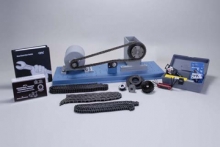
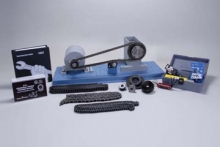
    DAC Worldwide’s Chain Drive Training System (223-000) is a heavy-duty learning aide that allows for in-depth training in industrial chain drives, heavy/silent chains, and sprocket set usage.
  • DAC Mechanical Drives
    Item Number:
    223-PAC
    DAC Worldwide’s Chain Drive Training System Plus (223-PAC) is a heavy-duty learning aide that allows for in-depth training in industrial chain drives, heavy/silent chains, and sprocket set usage.
  • Model: 838-PAC
    Item Number:
    838-PAC
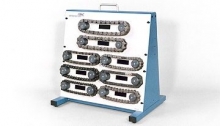
    DAC Worldwide’s Chain Sample Board (838-PAC) is an introductory hands-on teaching aid, designed to supplement courses in chain selection and maintenance. It includes samples of eight (8) industrial-quality chains for users to learn to identify.
  • VR Training: Chemical Spill Cleanup
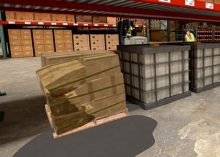
    Hard Hat VR's Chemical Spill Cleanup simulation is ideal for future employees or supervisors who will work in or visit warehouses or factories. The primary goal of this course is to teach individuals safe work procedures for chemical spill cleanup.
  • EMT Training Simulator
    Item Number:
    TFX-T-CT-1
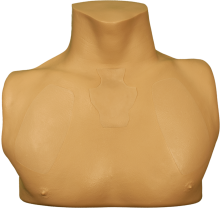
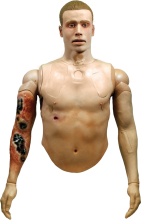
    The TacMed Simulation Chest Trainer is a ruggedized partial upper torso medical simulator that helps trainees during the crawl phase of training to treat patients requiring needle decompression and intraosseous (I/O) infusion. Students learn to locate realistic anatomic landmarks to execute critical patient treatment without relying on marked indicators. The unit functions as a stand-alone skills station with multiple training sites that allow for multiple uses with cost-effective replacement components.

Pages