Interactive VR training for medium voltage switch operation, inspection, and maintenance—designed to strengthen electrical safety, reduce hazards, and support CTE and workforce programs.

Virtual Career Exploration and Hands-On Skills Development
MIMBUS is a pioneer in immersive training technologies, founded in 2011 with a clear mission: to make hands-on technical training more accessible, effective, and engaging for all learners. Founded in 2011, MIMBUS revolutionizes vocational training by providing instructors with innovative tools to train their students more efficiently, safely, and at lower costs. MIMBUS designs powerful VR tools that transform traditional education and workforce development programs.
Through a strong commitment to pedagogical innovation, MIMBUS empowers educators to provide interactive, virtual environments that simulate real-world jobs—from carpentry and welding to automotive and construction. These tools allow students to explore career paths, develop hands-on skills, and receive meaningful feedback—all in a safe, measurable setting.

Built for Education
- VR simulators designed for K-12, CTE, technical colleges, and workforce programs
- Turnkey solutions that align with educational goals and career exploration pathways
- Interactive learning experiences that engage digital-native learners
- Real-time performance analytics with the VULCAN platform
- Ideal for career fairs, school demos, orientation events, and virtual campus tours

Meet the Experts Behind the Innovation
MIMBUS brings together a multidisciplinary team of educators, engineers, and industry experts who are passionate about transforming learning through technology. Whether it’s through their instructional design, integration support, or curriculum alignment, the MIMBUS team is committed to helping schools achieve measurable training outcomes.

Why Choose MIMBUS?
- Backed by over a decade of experience in immersive tech
- Serving 400+ training centers and schools in 20+ countries
- Comprehensive support for integration, training, and curriculum use
- Proven increase in student engagement, knowledge retention, and job readiness
With MIMBUS, educators can bridge the gap between theory and practice—preparing students not only for certification, but for successful careers.
Discover the first immersive virtual reality training solution designed to teach proper vine pruning techniques. Developed by Mimbus, this tool empowers learners to develop precision and confidence in a safe, repeatable, and measurable environment.
This VR training tool is more than just a simulation—it’s part of a structured, pedagogical approach. Integrated into a full learning pathway, it supports vocational educators and training centers in teaching essential agricultural skills with real-world relevance.
Key Benefits:
- Immersive practice: Realistic vineyard environment for hands-on skill development
- Safe learning: Practice without risk of damaging crops or tools
- Performance tracking: Built-in metrics and feedback for each session
- Educational integration: Designed for seamless curriculum alignment
- Eco-conscious: No physical waste or resource consumption
Ideal For:
- Agricultural and viticulture programs
- Vocational training centers
- Secondary and postsecondary educators
- Continuing education and workforce development
Discover the first immersive and collaborative educational tool for learning the essential tasks of a versatile dock agent. Designed by Mimbus, this virtual reality solution trains learners in real-time logistics, safety protocols, and teamwork under realistic conditions.
This powerful simulation goes beyond technical skills—it fosters critical decision-making and collaborative execution, simulating high-pressure environments like shipping docks and warehouses. Learners can practice operations such as loading, unloading, inventory management, and hazard avoidance in a safe and controlled space.
Key Features:
- Immersive experience: Simulate realistic dock workflows and layouts
- Collaborative training: Practice team coordination and communication
- Workforce readiness: Prepare learners for entry into logistics and supply chain roles
- Performance insights: Evaluate accuracy, speed, and safety through built-in assessments
- Curriculum-friendly: Integrates seamlessly into vocational and industry training programs
Applications:
- Supply Chain & Logistics programs
- Technical and vocational schools
- Onboarding for warehouse and freight companies
- Workforce development initiatives
VR Simulator for Logistics & Warehousing
Discover what the job of a logistician looks like with Mimbus’ immersive virtual reality simulator. This engaging and educational solution offers hands-on experience in logistics operations, from warehouse organization to supply chain coordination—all in a safe, simulated environment.
Ideal for career exploration and workforce development, the VR Logistics & Warehousing Simulator introduces learners to real-world responsibilities such as order fulfillment, stock management, and shipping workflows. Through interactive, scenario-based training, users gain valuable insight into the challenges and skills required in modern logistics careers.
Key Features:
- Realistic environments: Simulate active warehouse and logistics hubs
- Career exploration: Understand daily tasks and challenges faced by logisticians
- Skill development: Practice inventory control, workflow management, and operational planning
- Safe & repeatable: Train without real-world risks or interruptions
- Flexible integration: Supports high school, CTE, and postsecondary curricula
Great For:
- Career exploration in logistics and warehousing
- CTE and STEM academies
- Technical and trade schools
- Workforce development and job readiness programs
Train safely. Learn effectively. Mimbus’ immersive VR training tool lets students manipulate refrigerant fluids in a realistic, risk-free environment. Trainees interact with key equipment like vacuum pumps and oil filters—building real-world skills without the dangers of fluid leaks or system damage.
This virtual reality solution simulates the work environment of a professional refrigerant technician. From handling frigorific fluid to operating within a full refrigeration plant, learners gain hands-on practice in maintenance, safety protocols, and system diagnostics—complete with performance feedback and skill tracking.
Training Highlights:
- Immersive experience: Realistic refrigeration plant simulation
- Safe interaction: Practice vacuum pumping and oil filtration procedures without risk
- Skill development: Focus on technical accuracy, safety, and efficiency
- Performance-based learning: Real-time feedback and objective assessments
- Career readiness: Prepares students for HVAC, refrigeration, and building systems careers
Ideal For:
- HVAC and Refrigeration training programs
- Building maintenance and energy systems courses
- Trade schools and technical colleges
- Workforce development and certification prep
Experience the first virtual reality training solution for stonemasonry. Mimbus’ VR Stone Cutting Simulator gives learners hands-on experience in the fundamentals of stone cutting and shaping—without the noise, dust, or safety hazards of real tools.
This immersive solution replicates the traditional skills of stonemasonry using modern technology. Trainees learn to handle virtual tools with precision, follow cutting lines, and evaluate results in real-time, building muscle memory and craftsmanship in a safe, repeatable way.
Training Highlights:
- Realistic tool handling: Practice using chisels, hammers, and stone saws in VR
- Skill development: Build precision, hand-eye coordination, and technique
- Safe and clean: Train without dust, debris, or risk of injury
- Performance tracking: Monitor progress and accuracy over time
- Accessible craftsmanship: Introduce students to heritage trades through innovation
Perfect For:
- Construction and skilled trades programs
- Historic preservation and building arts schools
- Vocational and technical training centers
- Apprenticeship and pre-apprenticeship programs
Welcome to the future of chemistry education. MIMBUS Chemistry is the first virtual twin of a real chemistry lab—offering learners an immersive, interactive space to perform chemical experiments safely and confidently using virtual reality.
Developed in partnership with Le Cnam, this VR lab allows trainees to handle chemicals, equipment, and procedures in a safe, repeatable environment. Recognized for its impact on higher education, MIMBUS Chemistry helps learners develop reflexes, procedural knowledge, and critical lab skills—without the risks, costs, or setup time of a traditional lab.
Why Choose MIMBUS Chemistry?
- Immersive Experience: Explore a realistic virtual chemistry lab
- Safe Chemical Handling: No exposure to hazardous materials
- Reflex Development: Build procedural habits and safety reflexes
- Skill Mastery: Reinforce knowledge through interactive, repeatable practice
- Proven Results: Backed by real-world training success and EDUCAUSE recognition
Best For:
- Universities and higher education science departments
- Technical and vocational chemistry programs
- STEM learning labs and remote learning initiatives
- Workforce development and upskilling in industrial chemistry
VR for Talent Assessment & Staffing
Identify talent. Empower careers. MIMBUS offers the leading virtual reality tool for evaluating candidates' technical, cognitive, and behavioral skills in realistic work scenarios. This solution revolutionizes how schools, staffing agencies, and HR teams approach talent assessment.
Through immersive simulations, learners and jobseekers are placed in job-relevant tasks that reveal aptitude, learning style, reflexes, and adaptability. From identifying vocational pathways to matching workers with the right roles, this VR solution delivers objective, data-driven insights that traditional assessments can’t match.
Key Features:
- Realistic Simulations: Evaluate candidates in hands-on VR tasks that mirror real job situations
- Unbiased Assessment: Measure aptitude, behavior, and reflexes with standardized scoring
- Career Matching: Identify ideal career paths or training needs
- Efficient Hiring: Support decision-making in staffing and placement
- Education & Workforce Ready: Used by schools, job centers, and HR teams worldwide
Perfect For:
- Career and technical education programs
- Workforce development organizations
- Recruiters and staffing agencies
- HR teams and corporate training departments
The MIMBUS Poultry Cutting module, part of the MIMBUS FOOD suite, allows students to explore poultry cutting procedures in a virtual slaughterhouse environment. Learners interact with realistic tools and poultry carcasses—chicken or duck—while safely learning industry techniques and standards.
This immersive simulation illustrates theoretical knowledge in a fun, engaging, and effective way. Students gain hands-on experience with cutting procedures, learn to meet production rates, and understand product quality—all without needing a physical lab or handling real meat.
Key Learning Objectives:
- Understand the poultry cutting process from start to finish
- Practice cutting rhythm and efficiency to meet production expectations
- Recognize quality standards in finished poultry cuts
- Explore real slaughterhouse environments virtually and safely
- Build muscle memory with repeatable, guided practice
Great For:
- Food processing and agricultural education programs
- Workforce development and upskilling in food production
- Vocational and technical training centers
- Onboarding and safety training for meat and poultry companies
MIMBUS Discover helps candidates uncover career paths through short, realistic VR experiences. Whether at a trade fair, career center, or virtual room, this tool immerses users in the environments of dozens of professions—making career exploration both engaging and educational.
With clear instructions, short scenarios, and easy-to-use equipment, MIMBUS Discover allows organizations to assess interests, detect potential, and inspire curiosity. It's an ideal tool for schools, recruiters, and workforce development teams who want to attract talent and guide individuals toward promising vocational pathways.
Key Benefits:
- Discover new professions: Give users hands-on experiences across diverse career fields
- Detect promising profiles: Observe reflexes, engagement, and aptitude in real time
- Guide career choices: Support informed decisions with immersive, realistic insights
- Easy implementation: Simple setup and clear instructions for smooth events and sessions
- Ideal for outreach: Boost engagement at trade fairs, schools, and orientation centers
Use Cases:
- Career fairs and recruitment expos
- Guidance counseling in schools and job centers
- Workforce development programs
- Orientation and re-entry initiatives
Pages
-
-
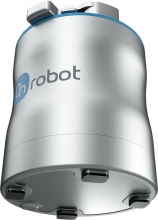 Item Number:MG10OnRobot's MG10 is a versatile, easy-to-use magnetic gripper for material handling, assembly and machine tending applications in manufacturing, automotive and aerospace environments.
 -
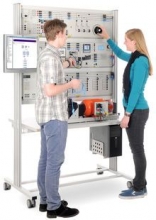 Item Number:EMG 1 / EMG 2A stand-alone power network is a type of power supply network which is closed and has no active lines coupling it to other parts of the electrical power supply grid. A stand-alone network is markedly smaller than a combined electricity grid and does not usually incorporate high-voltage power lines. For this type of network, there are two distinct modes of operation, stand-alone mode, and isolated parallel or generator-to-generator operation.
 -
 MIMBUS Discover is a turnkey VR solution for career exploration. Engage students with 16+ immersive modules across skilled trades while tracking performance in real-time with VULCAN. Ideal for CTE, K-12, and workforce programs.
 -
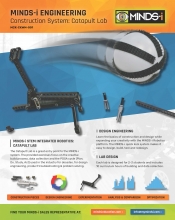 Item Number:MCK-CKWM-001The Catapult Lab is a great entry point to the MINDS-i system. The provided exercises focus on the creative build process, data collection and the PDSA cycle (Plan, Do, Study, Act) used in the industry for decades, for design engineering, product troubleshooting & problem-solving.
 -
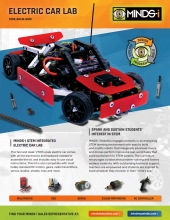 Item Number:MCK-ECLB-2WDThis fast and sleek 1/10th scale electric car comes with all the electronics and hardware needed to assemble the kit and includes easy to use visual instructions. This kit is also compatible with most hobby standard DC motors, gears, radio transmitters, servos, bodies, wheels, tires, and more.
 -
 Item Number:MCK-107P-001Prepare students for FAA Part 107 knowledge areas with the MINDS-i FAA 107 Certification Prep Course. Explore regulations, airspace, weather, safety, and UAV operations in a 45-hour program.
 -
 Item Number:CPK-W4X4-001Explore the Minds-i Search and Rescue Competition Kit, created for SkillsUSA robotics events. Learn how students can build, program, and remotely operate robots to tackle real-world rescue challenges.
 -
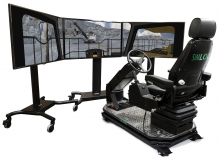 Item Number:MTModern mining equipment is increasingly complex, costly, and difficult to operate productively. As a result, proper operator training has become everyone's business. The fact is, it takes training to spot a truck and position it for loading under a full bucket. It also takes training to back up a truck just using mirrors under that bucket. Otherwise, your mining operations will suffer from lower productivity, higher fuel costs, increased tire wear, and more equipment maintenance and repair.
 -
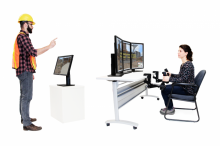 Item Number:MCRASimlog’s Advanced Edition puts you at the controls of a modern rough-terrain mobile crane equipped with telescoping boom and jib, and a variety of hook-blocks with best-in-class simulation graphics and physics, slings that go “slack”, and a boom that deflects. And now there’s wind, with parameters to define the direction, strength, and gusting.