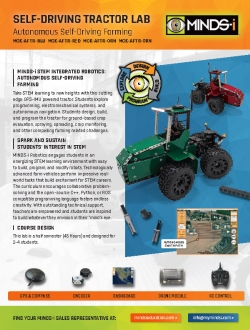
Autonomous Self-Driving Farming (45 Hour)
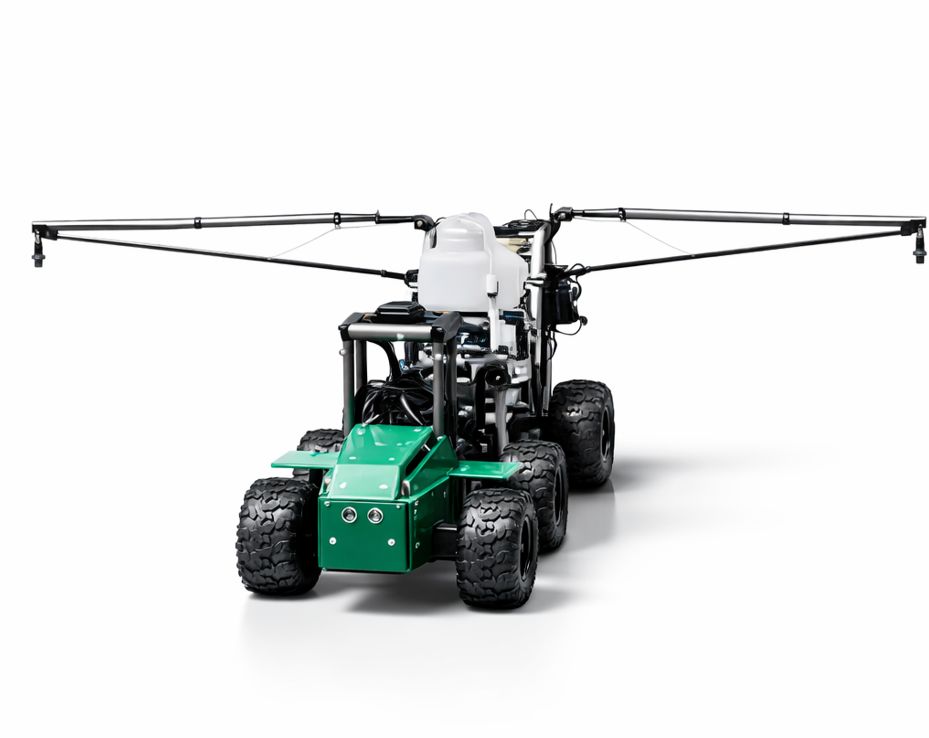
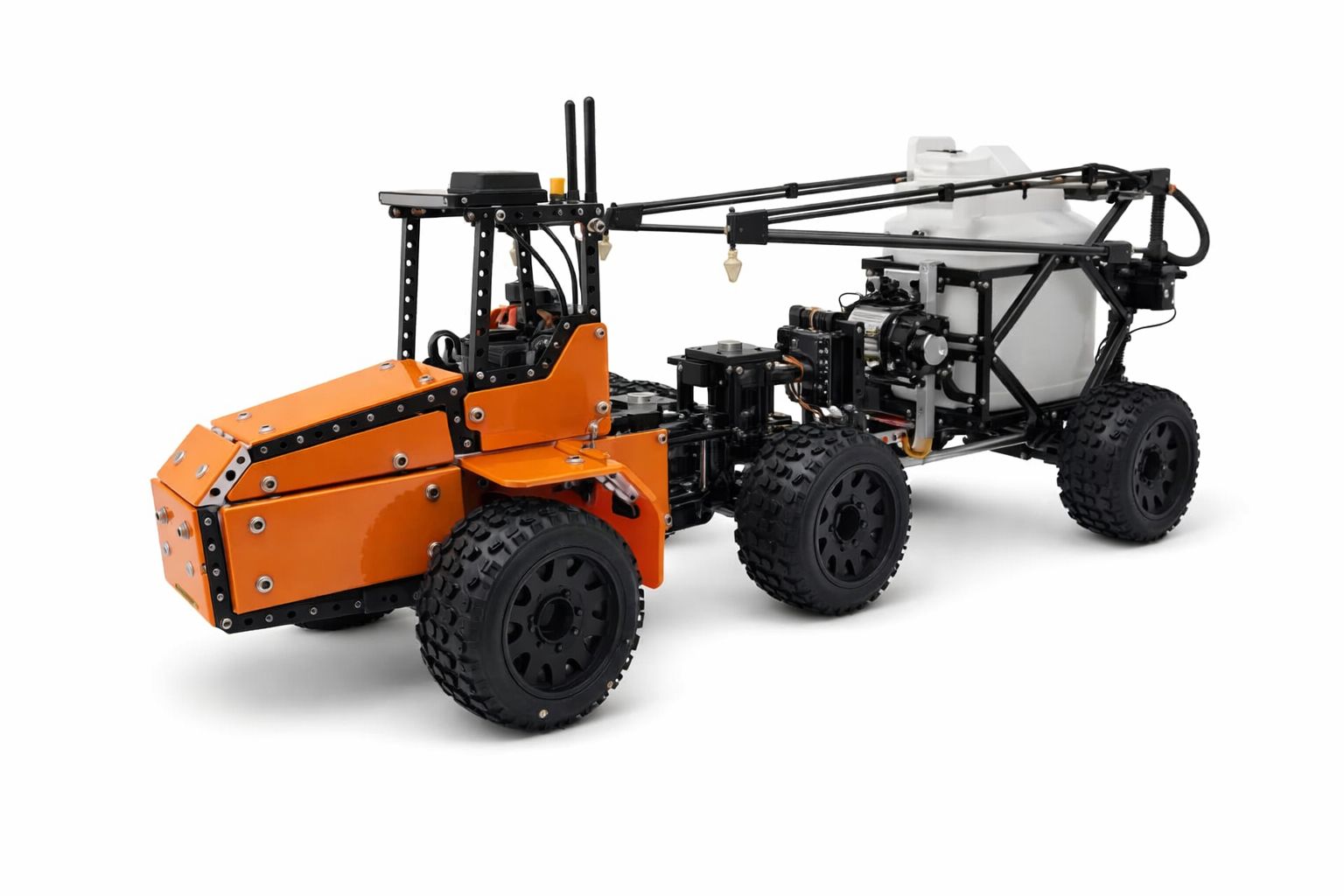
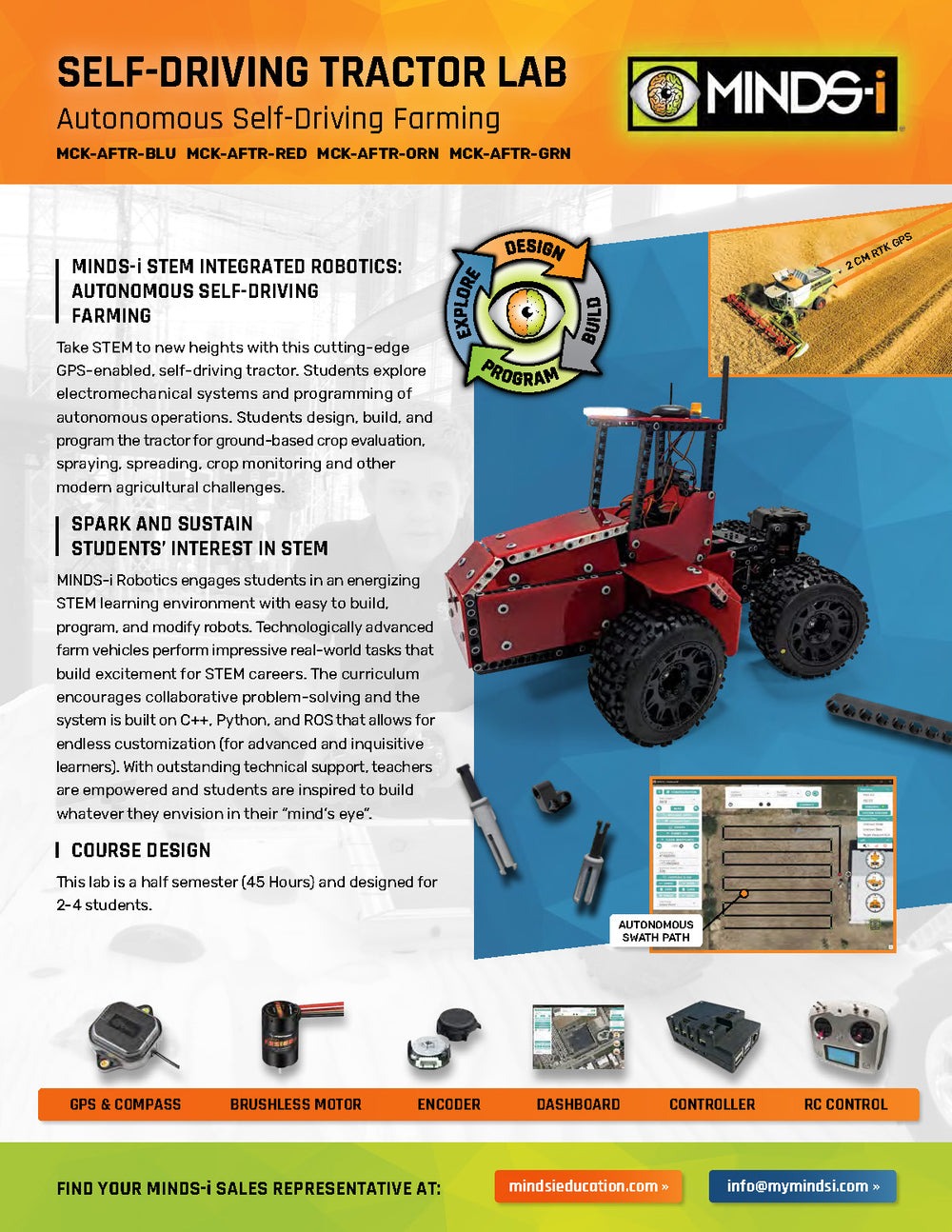
The MINDS-i Autonomous Self-Driving Farming Lab gives students a hands-on introduction to autonomous vehicles, precision agriculture, and applied STEM learning. Built around a GPS-enabled self-driving tractor, this lab helps learners explore electromechanical systems, programming, navigation, and real-world agricultural automation in an engaging, project-based format.
Designed for a small group of 2–4 students for one semester, the lab supports instruction in autonomous operations, localization, communication systems, and systems thinking. With the addition of the Sprayer Trailer and RTK Base Station, students can take their training even further by applying high-accuracy navigation and precision spraying concepts used in modern agriculture.
Why Bring Autonomous Farming into the Classroom?
Agriculture is becoming more connected, more automated, and more data-driven. Students preparing for careers in agriculture, engineering, robotics, and technical trades benefit from seeing how automation and GPS-guided systems work together in real applications. This lab provides a practical way to connect classroom concepts with modern industry trends.
- Introduce autonomous vehicle concepts through a relatable agricultural platform
- Support instruction in GPS navigation, control systems, sensors, and programming
- Demonstrate how precision agriculture can improve efficiency and repeatability
- Encourage teamwork, problem-solving, and systems-level thinking
- Give students hands-on experience with modern farming technologies
The self-driving tractor platform helps students design, build, and program autonomous operations for ground-based crop evaluation, spraying, monitoring, and other farming tasks. Students can explore how the vehicle uses sensors, encoders, communications, and GPS data to navigate a defined route with repeatable performance.
- GPS and Compass for navigation and positioning
- Brushless Motor for motion and drive control
- Encoder for tracking movement and control feedback
- Dashboard for system monitoring and management
- Controller for vehicle operation and programming
- RC Control for manual operation and testing
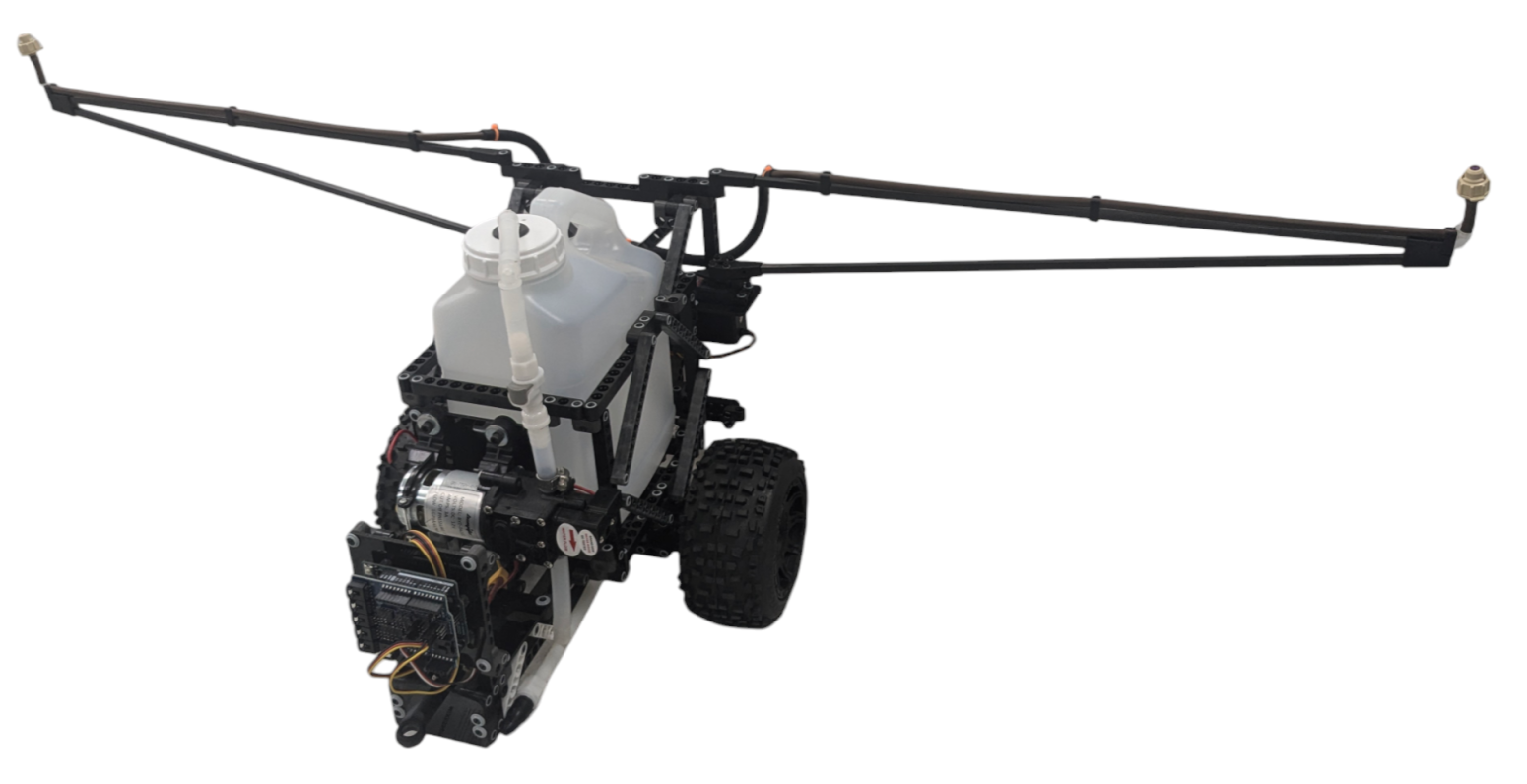
The optional Sprayer Trailer and RTK Base Station expand the learning experience by introducing students to precision agriculture tools used in modern field operations. These additions help demonstrate how autonomous systems can support repeatable spraying and more accurate path control.
Sprayer Trailer Features
- One (1) gallon capacity tank
- Quick-disconnect tank for easy refills
- One (1) gallon per minute pump
- Two sets of nozzles, including fan spray and misters
- Arduino microcontroller for automated opening arms and spraying
- Adjustable pump rate
RTK Base Station Features
- Provides 2 cm precision corrected GPS data
- Dual-band (L1/L5) GPS antenna
- GNSS-RTK (L1/L5) module
- USB-C for power and configuration
- Adjustable tripod with quick-connect mount for easy setup
This lab is designed as a 45-hour experience and supports a half-semester implementation. Curriculum topics guide students from foundational concepts through applied projects.
-
Introduction to Autonomous Vehicles
Student performance expectations and the fundamentals of autonomous vehicle systems -
Autonomous Self-Driving Tractor
Levels of autonomy and current and future agricultural use cases -
Autonomous Tractor Technologies
GPS navigation, inertial measurement units, encoders, cruise control, localization, communication systems, and object detection -
Electrical Engineering and Energy Transfer
Energy types, electric motors, and battery use, maintenance, and technologies -
Applied Systems Thinking
Inputs, outputs, constraints, and interrelationship diagrams -
Culminating Projects: Automated Farming
Ground preparation, planting, fertilizing, watering, and harvesting
Main Components
- Qty: 1 RC Transmitter with Receiver
- Qty: 1 Tractor Kit
Tractor Lab Accessory Bag Includes
- Qty: 4 Safety Glasses
- Qty: 1 Digital Multimeter
- Qty: 1 Extra Battery
- Qty: 2 Extra MINDS-i Tools
- Qty: 1 1/16" Hex Driver
- Qty: 1 3/32" Hex Driver
- Qty: 1 LiPoly Battery Charger
- Qty: 1 LiPoly Battery Charging Bag
- Qty: 1 Storage Bin
- Qty: 1 Printed Instruction Book
This lab is a half-semester (45 Hours) designed for 2-4 students.
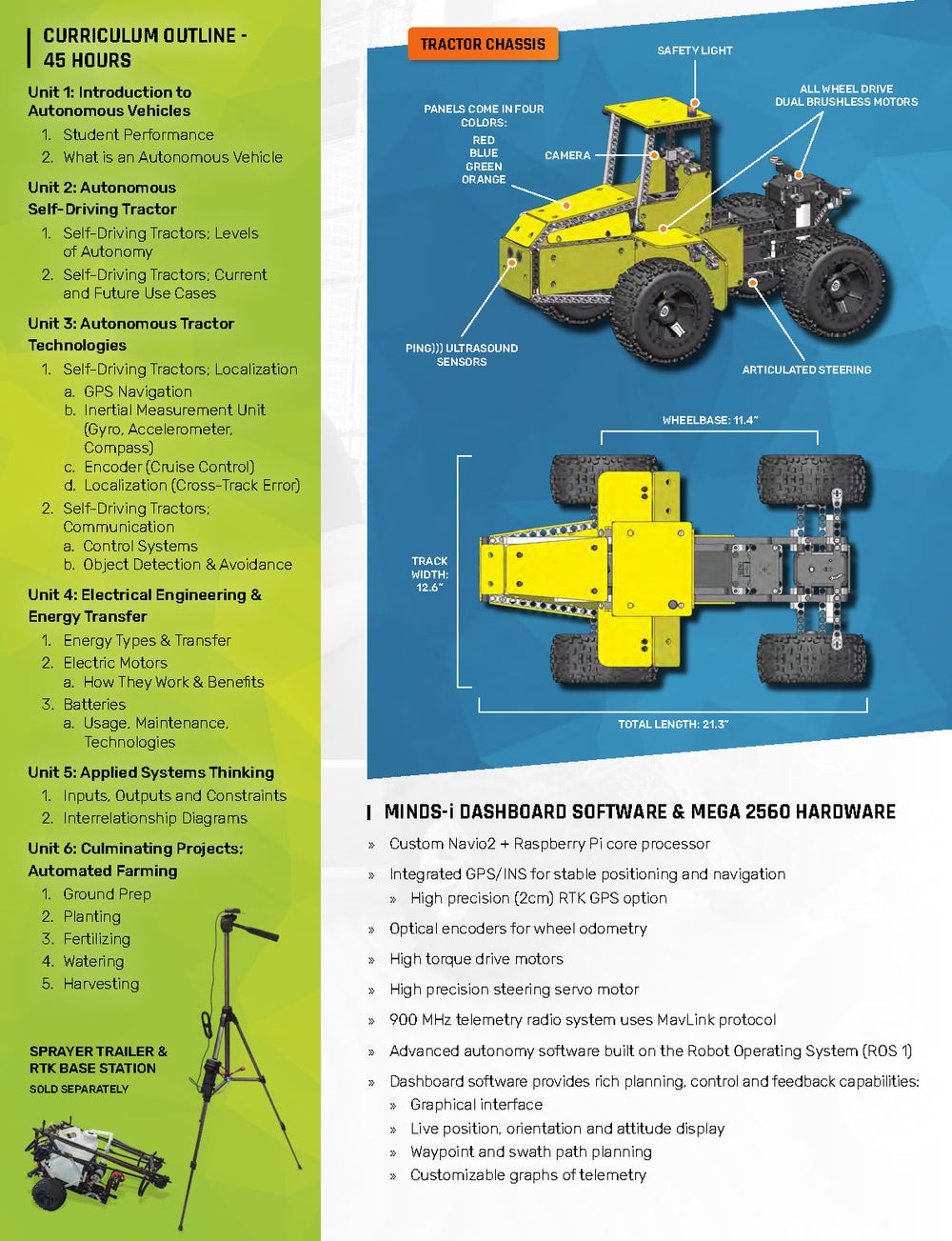
Curriculum Outline
Unit 1: Introduction to Autonomous Vehicles
- Student Performance
- What is an Autonomous Vehicle
Unit 2: Autonomous Self-Driving Tractor
- Self-Driving Tractors; Levels of Autonomy
- Self-Driving Tractors; Current and Future Use Cases
Unit 3: Autonomous Tractor Technologies
- Self-Driving Tractors; Localization
- GPS Navigation
- Inertial Measurement Unit (Gyro, Accelerometer, Compass)
- Encoder (Cruise Control)
- Localization (Cross-Track Error)
- Self-Driving Tractors; Communication
- Control Systems
- Object Detection & Avoidance
Unit 4: Electrical Engineering & Energy Transfer
- Energy Types & Transfer
- Electric Motors
- How They Work & Benefits
- Batteries
- Usage, Maintenance, Technologies
Unit 5: Applied Systems Thinking
- Inputs, Outputs and Constraints
- Interrelationship Diagrams
Unit 6: Culminating Projects; Automated Farming
- Ground Prep
- Planting
- Fertilizing
- Watering
- Harvesting
- Open Source Software / Windows 10, OS X & Linux Ready, Easy to use Graphical Interface
- Drag and Drop Installation (w/Radio Driver)
- Save and Load GPS Paths, Capable of Navigating to 100 Waypoints
- Live Location Tracking and Wirelessly Adjust Settings
- Customizable Graphs: Latitude, Longitude, Yaw/Direction, Pitch, Roll, Ground Speed, Voltage, Amperage and Altitude
- Full Telemetry Logging and Inclinometer Gauges
More Information
Ideal For
- Agricultural education programs
- STEM and robotics labs
- CTE and career pathway programs
- Project-based engineering instruction
- Programs introducing students to autonomous systems and precision agriculture
Component colors and models may vary.