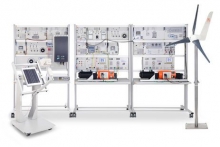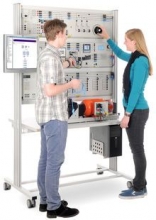
New Power Engineering Training Labs at Portsmouth University
Portsmouth University is helping shape the future of engineering education with new power engineering training labs featuring Lucas-Nülle systems. Designed to support hands-on learning, these advanced labs give students and future professionals the opportunity to build practical skills in modern energy engineering, sustainable power generation, and real-world electrical systems.
As the energy sector continues to evolve, training environments must do more than teach theory. They must give learners the confidence to work with the technologies, systems, and processes they will encounter in the field. With Lucas-Nülle training systems, Portsmouth University is creating an immersive learning environment that helps bridge the gap between classroom instruction and workforce readiness.
Why This Lab Matters
- Supports hands-on learning in power engineering
- Helps prepare students for modern energy industry careers
- Strengthens instruction with real-world training applications
- Introduces learners to sustainable energy and advanced power systems
- Creates a more engaging and career-relevant educational experience
Training for a Changing Energy Landscape
From renewable energy concepts to advanced power engineering applications, Portsmouth University’s new labs demonstrate how institutions can better prepare students for the demands of a changing industry. With modern equipment, interactive training experiences, and a focus on applied learning, these labs set a strong example for universities looking to strengthen engineering and energy education programs.
See What’s Possible with Advanced Training Solutions
We help education and training organizations identify solutions that align with their program goals, industry demands, and student outcomes. Contact us to learn more about Lucas-Nülle training solutions for power engineering, electrical systems, and workforce development.
-
Item Number:EMG 1 / EMG 2A stand-alone power network is a type of power supply network which is closed and has no active lines coupling it to other parts of the electrical power supply grid. A stand-alone network is markedly smaller than a combined electricity grid and does not usually incorporate high-voltage power lines. For this type of network, there are two distinct modes of operation, stand-alone mode, and isolated parallel or generator-to-generator operation.
-
Item Number:ESG 1Features 9 stations that can be individually configured.