




With CM Labs’ Walkaround Inspection trainees gain hands-on experience identifying issues, performing maintenance checks, and following safety protocols in a guided and measurable format. This tool builds operator confidence, reinforces safe habits, and strengthens maintenance knowledge—making it an essential part of a comprehensive training program.
CNC Programming Training
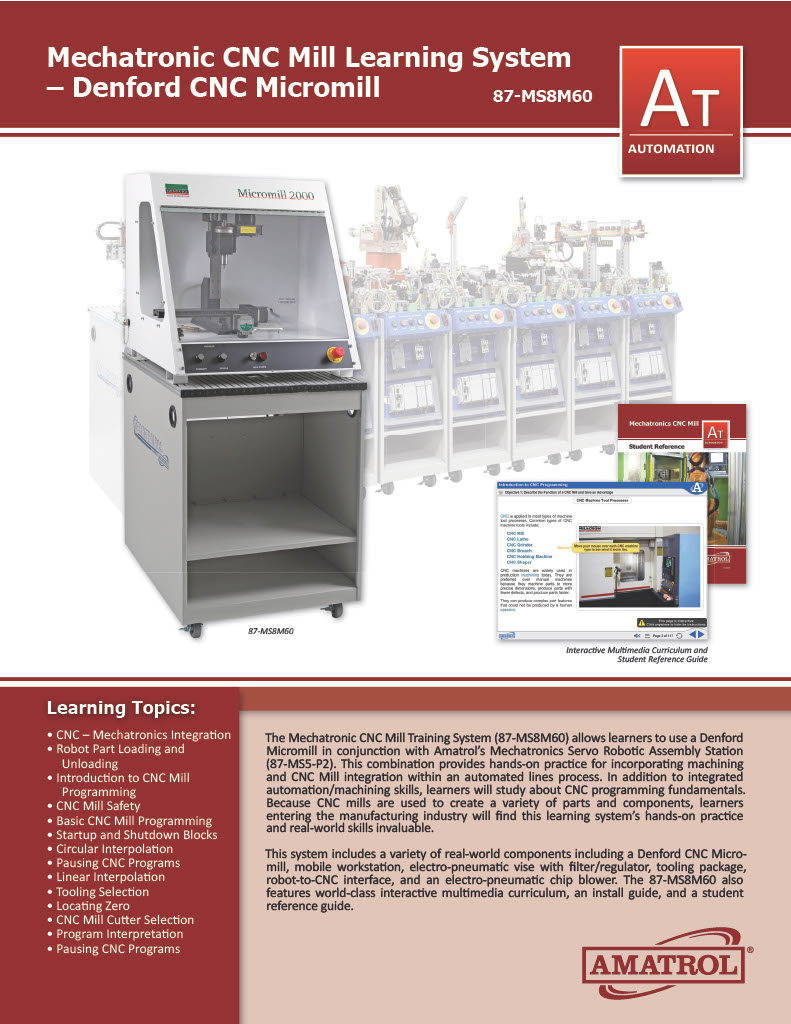
The Mechatronic CNC Mill Training System (87-MS8M60) allows learners to use a Denford CNC Micromill in conjunction with Amatrol’s Mechatronics Servo Robotic Assembly Station (87-MS5-P2). This combination provides hands-on practice for incorporating machining and CNC Mill integration within an automated lines process. In addition to integrated automation/machining skills, learners will study about CNC programming fundamentals. Because CNC mills are used to create a variety of parts and components, learners entering the manufacturing industry will find this learning system’s hands-on practice and real-world skills invaluable.
This system includes a variety of real-world components including a Denford Micromill, mobile workstation, electro-pneumatic vise with filter/regulator, tooling package, robot-to-CNC interface, and an electro-pneumatic chip blower. The 87-MS8M60 also features world-class interactive multimedia curriculum, an install guide, and a student reference guide.
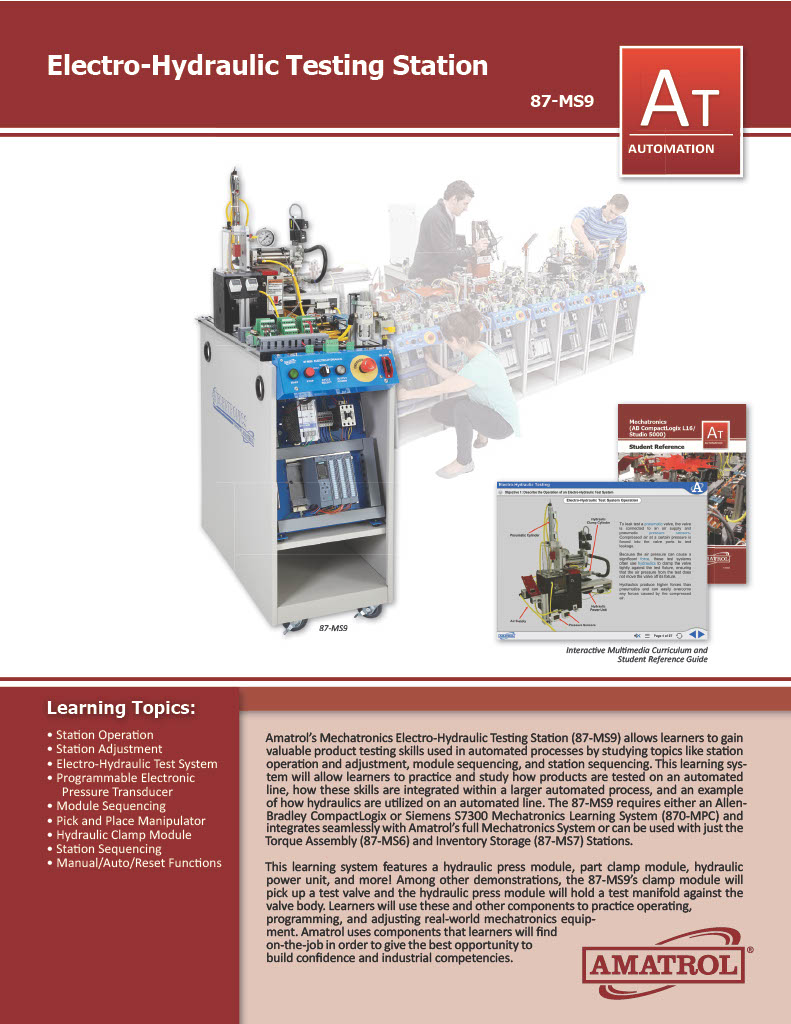
Amatrol’s Mechatronics Electro-Hydraulic Training Station (87-MS9) allows learners to gain valuable product testing skills used in automated processes by studying topics like station operation and adjustment, module sequencing, and station sequencing. This learning system will allow learners to practice and study how products are tested on an automated line, how these skills are integrated within a larger automated process, and an example of how hydraulics are utilized on an automated line.
The 87-MS9 requires either an Allen-Bradley CompactLogix or Siemens S7300 Mechatronics Learning System (870-MPC) and integrates seamlessly with Amatrol’s full Mechatronics System or can be used with just the Torque Assembly (87-MS6) and Inventory Storage (87-MS7) Stations.
Allen-Bradley and Siemens PLCs
87-MSSAB12, 87-MSSAB53, 87-MSSAB53A, 87-MSSS7
Amatrol's MechaSIM Mechatronics Simulation Learning Systems (87-MSS) allow learners to study programs for Allen-Bradley and Siemens PLCs and then use those programs to run real-world applications in a simulated mechatronics environment. Learners can then use the programs to control actual mechatronics equipment after testing it in the simulation. Amatrol offers MechaSIM systems for the following controlers: AB CompactLogix L32 and L16, AB MicroLogix, and Siemens S7-300. These MechSIM systems can interface to any of Amatrol's Mechatronics carts.
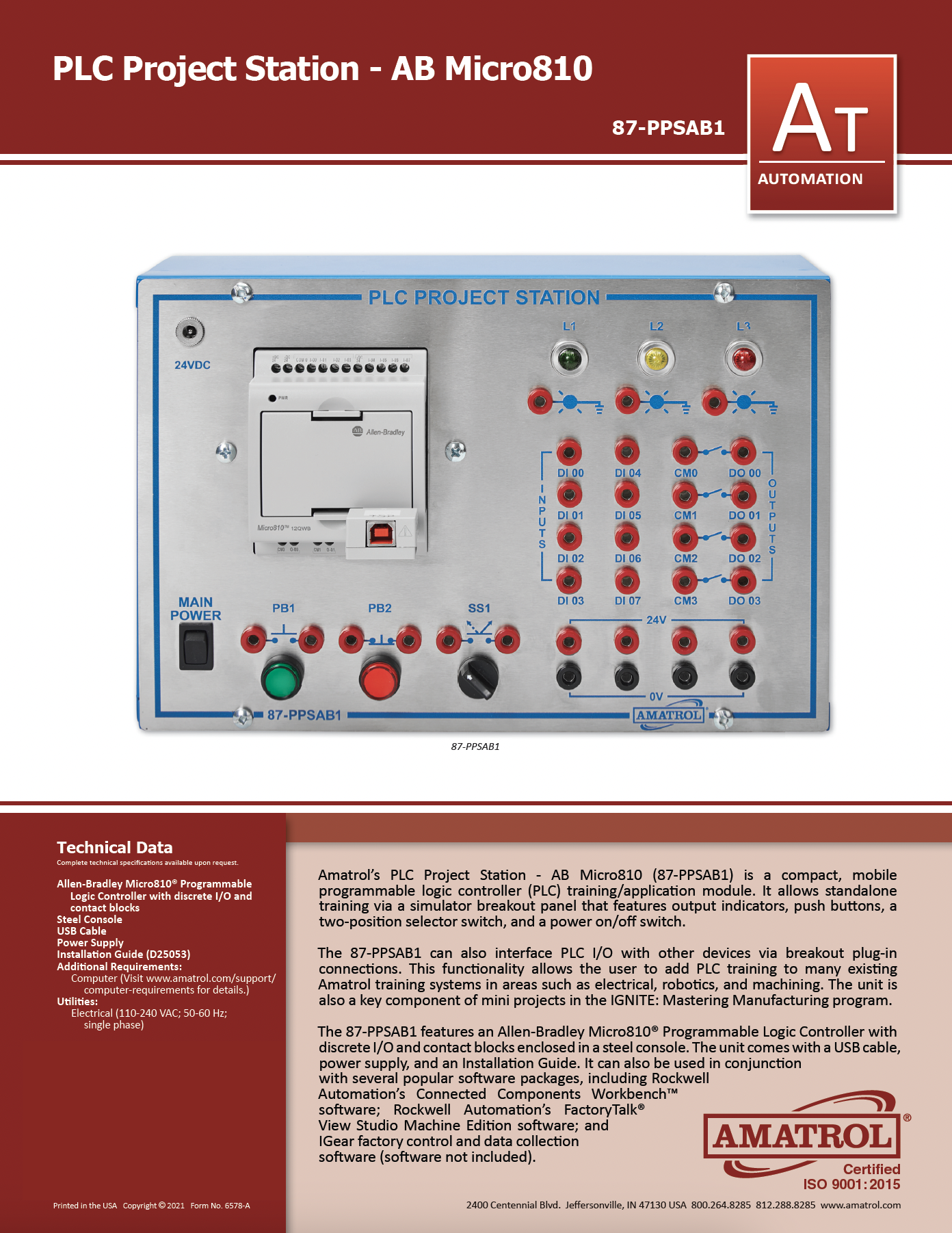
Amatrol’s PLC Project Station – AB Micro810 (87-PPSAB1) is a compact, mobile programmable logic controller (PLC) training/application module. It allows standalone training via a simulator breakout panel that features output indicators, push buttons, a two-position selector switch, and a power on/off switch.
Amatrol’s Servo Robot Station for Tabletop Mechatronics (87-TMS4) provides robot integration for Table Top Mechatronics with the Pegasus servo robot mounted on a traverse. Fully supported by Amatrol’s curriculum, learners will practice robot programming and robot interfacing to Amatrol’s portable Mechatronics system to create applications such as a robot-based inventory station. The ability to expand a Tabletop Mechatronics system to include a servo robot is unmatched in the industry.
To update the Tabletop Mechatronics System for operation with the Pegasus robot, this robot integration package includes three conveyor chute assemblies and a feeder assembly all equipped with sensors. These sensors are wired to the Mechatronics system’s PLC to indicate when parts are present. Additionally, this system contains replacement foot supports, used to adjust system height, and other items required to interface the servo robot and servo traverse to Tabletop Mechatronics.
AB CompactLogix L16 Learning System
Amatrol’s Vision Inspection Learning Systems (87-VS1AB53A) teach the use of web-based maintenance communications in a Smart Factory environment. These systems use a machine vision camera to examine parts traveling through the 870-series Mechatronics system and signal a PLC to reject or accept parts based on results from the examinations. The system can be used as a standalone product, but it is highly suggested for use with one or more Mechatronics carts.
The Smart Factory network communications training systems feature real-world equipment learners will encounter on the job, including configuring PC Vision Programming Software. The systems combine hands-on skills practice with in-depth multimedia curriculum for a well-rounded learning experience that will prepare learners to make an immediate impact in the technologically-advanced Smart Factory environments of the present and future through major topics like machine vision basics, machine vision operation, and machine vision software.
Amatrol’s Pegasus Robotics Simulation Learning System (88-RSS1) teaches the programming and operation of the Pegasus articulated servo robot. The Pegasus simulation software includes powerful 3D graphic simulation tools that reproduce the Pegasus and the workcells in realistic 3D images with dynamic characteristics similar to actual operation. Learners can see four different views of a workspace simultaneously. Solids modeling technology provides a realistic view of program results, including collision detection.
The programs simulated in the Pegasus software are the same used by the actual robot. Learners can simulate an application using the software and then transfer that program to the robot for real-world operation. This capability enables multiple learners to effectively share a single robot, a “must” for project-oriented classrooms. The software is Windows compatible and includes a virtual teach pendant, interpreter window for execution viewing, digital I/O handling, and an excellent library of workcell objects. Modern robotic engineers and operators are using this form of graphic modeling to create, test, and extend robotic applications.
Hands-On Allen-Bradley ControlLogix Skills
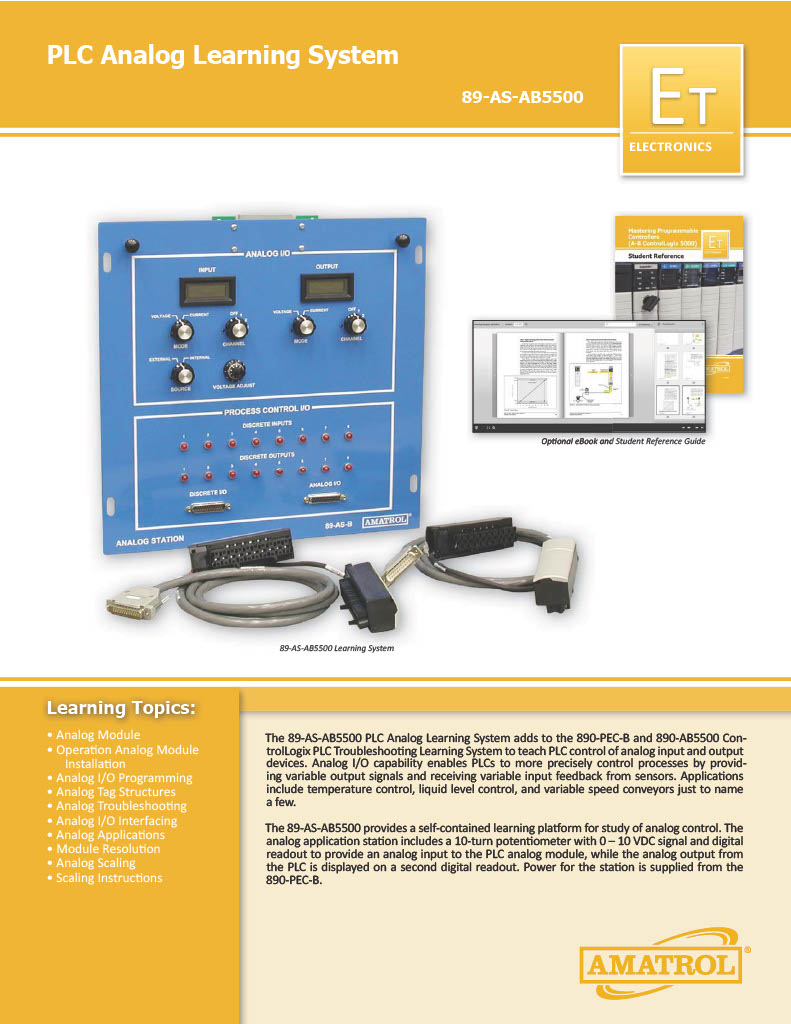
The PLC Analog Application Learning System – ControlLogix (89-AS-AB5500) adds to the Programmable Controller Troubleshooting Workstation (890-PECB) and the PLC Troubleshooting Learning System-AB ControlLogix (890-AB5500) to teach PLC control of analog input and output devices. Analog I/O capability enables PLCs to more precisely control processes by providing variable output signals and receiving variable input feedback from sensors. Popular applications include temperature control, liquid level control, and variable speed conveyors.
The analog training system includes an analog application station, cable assembly, Allen-Bradley ControlLogix combination analog module, student learning materials for both theory and lab, and a teacher’s assessment guide. Students will learn industry relevant skills including how to operate, interface, program and troubleshoot PLC systems using analog I/O.
Hands-On Allen-Bradley ControlLogix Skills
Amatrol’s PLC EtherNet Training System (89-EN-AB5500) teaches the fundamentals and troubleshooting of industrial communications networks using EtherNet/IP. EtherNet/IP has become very popular as an industrial communications network, offering high data transfer speed, flexibility of communicating on both the Enterprise level and the Automation and Control level, and a choice of vendors when purchasing equipment. It is important for technicians to understand different types of networks and their operation to be able to install and troubleshoot not only networks, but also the interconnections to the PLCs.
The main components of the 89-EN-AB5500 are two EtherNet/IP PLC modules and two EtherNet 5-port switches. Learners will use these components with additional required learning systems including the PLC Troubleshooting Learning System – AB ControlLogix (890-AB5500) to practice fundamentals such as: basic PLC operation and programming, motor control, event sequencing, I/O interfacing and testing, process control, and material transfer. Amatrol uses industrial-quality components for durability to stand up to frequent use and so that learners can get real-world experience with components that they’ll actually see in the field.
Add-On Options for 890-PECB
The PLC Expansion Package (89-MP) Expansion Module adds to the 890-PEC-B Troubleshooting Learning System to create dual PLC training system. The 89-MP is an ideal method of teaching applications such as remote I/O and Date Highway Networks, where multiple PLCs are required. With just one learning station, learners can set up a multiple PLC network between the PLCs mounted on the 89-MP and the 890-PEC-B.
The 89-MP is also a cost effective way to support multi-brand or model training. Two different PLCs can be mounted on the learning station at all time so changeover between the two PLCs only requires the student to connect a new quick-connect cable set.
Pages
-

-
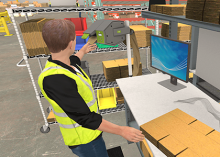 Effective packing surpasses mere item placement; it encompasses product safety, reduced shipping expenses, and the cultivation of brand loyalty. Inadequate packing practices can result in damaged goods, escalated expenses, and pose potential risks for both employees and recipients. This VR course directly confronts and addresses these challenges.
 -
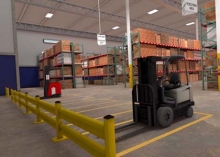 The primary goal of this course is to teach you safe work procedures to follow in a warehouse environment. You will learn how to maintain a safe warehouse and identify common hazards. The Warehouse Hazard awareness simulation is ideal for employees or supervisors who will work in or visit warehouses.
 -
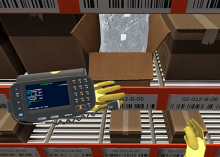 Discover the pivotal final steps of warehouse picking through VR Hard Hat's immersive Back-End Labeling course. Ensure product readiness, accurate shipment identification, and end-to-end traceability. Our course emphasizes precision in back-end labeling, minimizing logistical hurdles for efficient operations.
 -
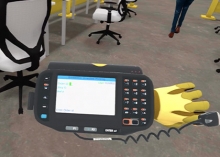 VR Hard Hat's Warehouse Picking: Case virtual reality course is meticulously designed to provide insights into the best practices of case picking, ensuring both speed and precision.
 -
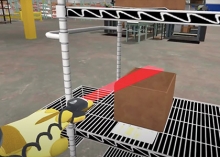 Front-end labeling, a vital component of the picking process, ensures that products are correctly identified, tracked, and dispatched. Proper labeling can reduce errors, improve efficiency, and enhance customer satisfaction. Hard Hat VR's course is designed to address the nuances of labeling at the initial stages of the picking process, ensuring that errors are minimized and efficiency is maximized.
 -
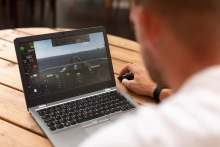 Leveraging 25 years of industry experience, unparalleled mathematical models and the latest techniques like gamification, virtual and augmented recreations, we offer the most sophisticated immersive training solutions to prepare mariners for the real world that awaits them onboard and onshore. These simulation solutions also expedite innovation and research processes by acting as the perfect testbed for new concepts and products that then directly contribute to the decarbonization and commercialization of the solutions.
 -
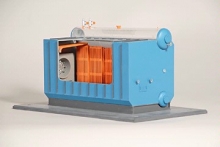 Item Number:355DAC Worldwide’s Water Tube Boiler Model (355) depicts a highly-detailed scale model of a common water tube boiler in a technically-accurate, professionally-crafted design. The model supports training in the operation and maintenance of industrial boilers found within utility systems in industrial facilities.
 -
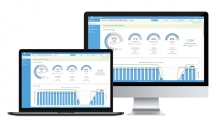 WebLytics from OnRobot is the first software solution that provides real-time production monitoring for collaborative applications across major robot brands.
 -
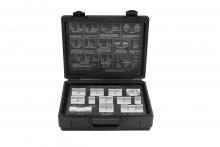 Item Number:825-000DAC Worldwide’s Weld Fault Comparison Kit (825-000) is a three-dimensional visual aid with accompanying training materials that facilitates basic training in weld quality and weld fault terminology by accurately depicting and identifying common weld defects.