Unit Operations give operators a peek inside the systems they work with every day. Includes: Distillation Trainers, a Distillation Tray model, and working demonstrators covering Distillation Towers and Fluid Catalytic Cracking.
Lower body simulators are advanced training tools designed to provide realistic and comprehensive education for medical professionals. These simulators replicate the anatomy and physiological functions of the lower extremities, including muscles, bones, joints, and vascular structures. They are used extensively in medical and nursing schools to enhance the practical skills of students, allowing them to practice procedures such as injections, suturing, and emergency interventions in a controlled and safe environment. By simulating real-life scenarios, these tools help trainees build confidence and competence, reducing the likelihood of errors in actual clinical settings.
One of the key features of lower body simulators is their ability to mimic various pathologies and conditions, from fractures and dislocations to vascular diseases and soft tissue injuries. This versatility enables educators to create diverse training modules that cater to different learning needs and specialties. For instance, students can practice orthopedic procedures like setting fractures and performing joint aspirations, or they can focus on vascular access techniques such as placing catheters or performing arterial punctures. The detailed anatomical accuracy and functional realism of these simulators ensure that learners gain a thorough understanding of both normal and pathological conditions of the lower extremities.
Moreover, the use of lower body simulators supports the shift towards more hands-on, experiential learning in medical education. By integrating these simulators into their curricula, educational institutions can provide students with ample opportunities to practice and refine their skills before encountering real patients. This not only enhances the quality of training but also improves patient outcomes by ensuring that future healthcare providers are well-prepared and proficient in essential clinical procedures. The ongoing development and innovation in simulation technology continue to push the boundaries of medical training, making it possible to achieve higher levels of precision and effectiveness in education and practice.
Upper body simulators are cutting-edge educational tools that provide a realistic and detailed representation of the human upper body, encompassing the thorax, arms, and head. These simulators are integral to medical and nursing education, offering hands-on practice in various procedures such as intravenous insertions, chest compressions, airway management, and surgical interventions. By incorporating realistic anatomical features and physiological responses, upper body simulators enable students to develop essential clinical skills in a safe, controlled environment, bridging the gap between theoretical knowledge and real-world application.
A standout feature of upper body simulators is their ability to simulate various medical conditions and scenarios. For example, they can replicate respiratory distress, cardiac events, and trauma injuries, allowing learners to practice critical interventions like intubation, defibrillation, and wound management. This versatility ensures that students are well-prepared for diverse clinical situations they may encounter in their professional careers. The high-fidelity design of these simulators includes lifelike skin, accurate anatomical landmarks, and responsive feedback systems, which help students refine their techniques and decision-making skills with precision and confidence.
Integrating upper body simulators into medical training programs supports a more interactive and immersive learning experience. These simulators facilitate repetitive practice and immediate feedback, which is crucial for mastering complex procedures and improving patient care outcomes. Educational institutions utilizing upper body simulators can offer their students a robust training regimen emphasizing experiential learning, critical thinking, and hands-on proficiency. As technology advances, upper body simulators are becoming increasingly sophisticated, providing even more realistic and effective training opportunities for the next generation of healthcare professionals.
Whole body simulators from TacMed Solutions represent the pinnacle of medical training technology, providing comprehensive, lifelike platforms for practicing a wide range of medical procedures and emergency interventions. These simulators encompass the full anatomical structure of the human body, enabling learners to engage in realistic training scenarios that cover everything from basic first aid to advanced trauma care. Designed with detailed anatomical accuracy, TacMed Solutions' whole body simulators feature realistic skin, internal organs, and physiological responses, allowing trainees to develop and refine their skills in a safe and controlled environment.
One of the key advantages of whole body simulators is their ability to simulate complex, multi-system injuries and medical conditions. Trainees can practice handling scenarios such as polytrauma, cardiac arrest, and respiratory failure, gaining invaluable experience in performing coordinated, life-saving interventions. The simulators' advanced feedback systems provide real-time responses to medical actions, offering immediate, actionable insights that help users improve their techniques and decision-making processes. This immersive training experience enhances technical proficiency and builds the confidence needed to manage critical situations in real-life clinical settings effectively.
Moreover, TacMed Solutions' whole body simulators are designed to support various training environments, from classroom instruction to field exercises. Their durability and versatility make them ideal for use in various educational settings, including medical schools, nursing programs, and emergency response training. By integrating these simulators into their curricula, institutions can offer a more dynamic and interactive learning experience that emphasizes hands-on practice and critical thinking. The commitment to quality and realism in TacMed Solutions' whole body simulators ensures that learners are thoroughly prepared to deliver high-quality care and improve patient outcomes in their professional practice.
Robotic welding is revolutionizing manufacturing, and our training solutions are designed to prepare students for this cutting-edge field. Utilizing FANUC robotics, APT programming, and Fronius welding technology, our systems provide hands-on, real-world experience in automated welding processes. Students learn to program, operate, and troubleshoot robotic welders, gaining skills that are critical for modern industries such as automotive, aerospace, and fabrication.
By incorporating our Robotic Welding training solutions into your curriculum, you can help students develop the technical expertise and certifications needed to excel in Industry 4.0 environments. These comprehensive systems ensure that learners are ready to meet the growing demand for automation professionals with a strong foundation in both robotics and welding technologies.
The Smart Automation Certification Alliance (SACA) webinar, moderated by Gary Tomalin, brings together industry experts to discuss the critical role of certifications in closing the skills gap in smart manufacturing and automation. As a leader in workforce development with over 30 years of experience, Gary guides the conversation with panelists from SACA, Rockwell Automation, and Mountainland Technical College. Together, they explore how SACA is shaping the future of workforce training, with a focus on Industry 4.0 standards, reshoring of manufacturing, and creating a pipeline of skilled technicians.
Panel Overview
In this session, our expert panelists discuss the impact of SACA certifications on the workforce and how these certifications are helping to close the skills gap in smart manufacturing and automation.
- Jim Wall, Executive Director of SACA, highlights the importance of developing certification programs to meet Industry 4.0 standards. Jim’s extensive background in workforce education and certification programs makes him a leader in this space.
- Michael Cook, Director of Industry & Academia at Rockwell Automation, provides insights into how industry and academic institutions are collaborating to create a pipeline of future-ready technicians and engineers. Michael has over 20 years of experience in strategy and business development with a focus on emerging technologies and workforce development.
- Jeff Erickson, Program Coordinator at Mountainland Technical College, brings a boots-on-the-ground perspective. Jeff shares how his automation and robotics programs are using SACA certifications to provide students with the skills needed to meet growing industry demands.
Key Topics Covered
What is SACA?: Jim Wall explains the foundation of SACA, its mission to address the skills gap in Industry 4.0, and how its certifications are becoming a standard in smart manufacturing.
- Global Industrial Certification Pathways: We delve into how SACA is positioned globally and how companies like Amazon and Rockwell Automation are using SACA certifications to upskill their workforce and ensure consistency across locations.
- Industry and Academia Collaboration: Michael Cook speaks on how Rockwell Automation is working with academic institutions to develop curricula that reflect real-world industry needs.
- Certification Levels: Learn about SACA’s Silver and Gold certification pathways. These certifications, offered at no additional cost to students once a school becomes a SACA member, provide an effective way to standardize skills across industries and educational institutions.
Future of Workforce Development
Looking ahead, SACA is developing new certifications in cybersecurity, semiconductors, and electric vehicle production, ensuring that the workforce remains equipped for emerging technologies.
How to Get Involved
If you're interested in learning more about SACA or becoming a member, visit saca.org or reach out via email at support@saca.org.
Webinar 2
The Road to Certification: How to Establish a SACA Academy
The second webinar will guide you through the process of becoming a SACA Academy. Learn how industry partners helped define the certification standards, explore the range of certifications available, and discover the benefits of integrating SACA into your educational programs. Sue Smith will share insights on implementing SACA as part of an Advanced Manufacturing program, highlighting the involvement of industry in the process.
Discover how VRNA EMS is transforming emergency medical training through immersive virtual reality technology. This cutting-edge solution allows EMTs and paramedics to practice critical life-saving procedures in highly realistic, customizable scenarios. From patient assessment to trauma response, VRNA EMS delivers a hands-on learning experience that improves decision-making and boosts confidence in real-world situations. Explore the future of EMS training with VRNA and see how virtual reality is bridging the gap between theory and practice. Ready to elevate your training program? Contact us today to learn more!
The Emergency Medical Trauma Trainer (EMITT) is a versatile collection of mid-fidelity medical trainers designed to meet the specific training needs of civilian first responders. Among its offerings is the EMITT Tactical Medical Upper (TMU), a highly advanced training tool ideal for EMTs, paramedics, and first responders. The TMU features active breathing, intubation capabilities, tension pneumothorax treatment, IV insertion, and more, allowing learners to practice life-saving procedures in diverse environments. Its durable construction includes a urethane core and synthetic skin, providing realism while withstanding harsh conditions.
Key capabilities include airway management, needle decompression, intraosseous infusion, and wound care, all complemented by the ability to receive real-time feedback via a remote control system (sold separately). The trainer’s adjustable eyes simulate various trauma conditions, and its reinforced silicone arms offer full mobility. EMITT’s modular design allows for mixing and matching upper and lower body units to enhance training scenarios, making it a comprehensive tool for tactical medical simulations.
TacMed’s Whole Body Simulators (WBS) are designed to provide realistic, high-fidelity training experiences for emergency medical professionals, military personnel, and first responders. These simulators replicate human anatomy with lifelike features and functional systems, allowing trainees to practice trauma care in critical scenarios. With features like hemorrhage control, airway management, and the ability to simulate various injuries, TacMed’s simulators ensure that learners gain hands-on experience in performing life-saving procedures under pressure.
Built for durability and portability, TacMed’s WBS are ideal for both classroom environments and field training exercises. These solutions help bridge the gap between theory and practice, offering users the opportunity to refine their skills in trauma management and emergency response. Through immersive, scenario-based training, TacMed empowers medical teams to build confidence and proficiency in handling real-world medical crises.
Each WBS system consists of an upper and lower torso that disconnect for easier storage and transportation. When assembled, the simulator functions as a complete human body and can be operated by a single remote control. Injuries, bleeding, and interventions performed (or not performed) affect overall patient health and vitals.
TacMed’s Upper Body Simulators provide advanced, high-fidelity training for emergency trauma care focused on the head, neck, chest, and arms. Designed to mimic realistic injuries such as airway obstructions, gunshot wounds, and severe bleeding, these simulators allow medical professionals and first responders to practice life-saving procedures in controlled environments. With features like airway management and wound packing, TacMed's Upper Body Simulators ensure that trainees gain hands-on experience, building the skills necessary for quick and effective intervention in critical situations.
These simulators are ideal for both classroom training and field exercises, enabling users to perform realistic medical care under simulated high-pressure conditions. By focusing on the upper body, trainees can master crucial emergency techniques, improving their confidence and proficiency in managing a wide range of trauma scenarios.
TacMed’s Lower Body Simulators are engineered to replicate life-threatening injuries in the abdomen, pelvis, legs, and feet, giving medical professionals and first responders the opportunity to practice essential trauma care procedures. Featuring advanced technology for tourniquet application, hemorrhage control, and injury management, these simulators allow for hands-on training in both classroom and field environments. The realism provided by TacMed’s Lower Body Simulators prepares trainees to confidently manage critical injuries in real-world emergency situations.
By focusing on lower body trauma, these simulators help build essential skills in high-pressure environments, allowing users to practice critical interventions. From severe bleeding to complex fractures, TacMed’s Lower Body Simulators deliver comprehensive training experiences that improve preparedness and response times during emergencies.
Pages
-
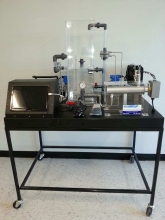 Item Number:130-DTU1 | 130-DTU2 | 132-DTT5 | 132-DTT6 | 132-FCCU
 -
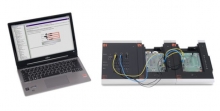 With its open multimedia courses, the UniTrain system has pursued this approach for many years, thus enabling it to be deployed in diverse learning scenarios. The multimedia courses are closely aligned with international standards to allow their integration into numerous learning management systems.
 -
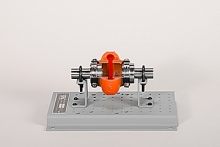 Item Number:200-2083DAC Worldwide’s Urethane Tire Coupling Cutaway (200-2083) highlights a professionally-crafted, sectioned industrial shaft coupling. The full-size, fully-detailed example gives learners a first-hand view into a component that is found in various applications worldwide and supports both instructor-led training and student self-discovery.
 -
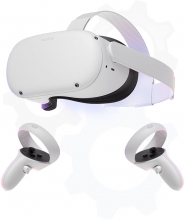 Every individual should be trained with hands-on skills for basic workplace safety. With our Enterprise Safety package, you get seven modules that allow learners to put safety training into practice in a safe, virtual environment. The training modules include Confined Space, LOTO, Fall Protection, AED, CPR, Fire Suppression, and Virus Vision.
 -
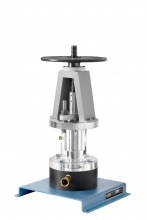 Item Number:250-000DAC Worldwide’s Valve Packing Training System (250-000) is a detailed replica of a six-inch gate valve, equipped with a backseat, which facilitates the proper removal and installation of packing.
 -
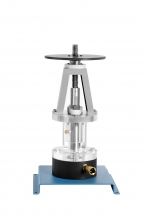 Item Number:250-PACIndustrial maintenance technicians must be familiar with a wide variety of valves used throughout many different types of industries. A common task technicians encounter on the job is replacing valve packing to prevent valves from leaking.
 -
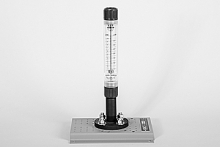 Item Number:272-718DAC Worldwide's Dissectible Variable Area Flow Meter (272-718) (rotameter) allows for close visual inspection of a common PVC and acrylic liquid flow meter to better understand its function, design characteristics, operation, and possible maintenance.
 -
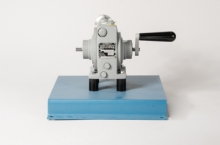 Item Number:205-290DAC Worldwide's Variable Speed Gear Reducer Cutaway is a sectioned variable speed industrial gear reducer. Speed variations allow for continuous variable-ratio speed adjustment of mechanical systems are still regularly encountered in industrial applications due to their durability, dependability, and consistency of operation.
 -
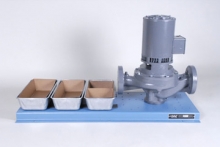 Item Number:275-128DDAC Worldwide’s Vertical Centrifugal Pump Dissectible (275-128D) is an actual industrial centrifugal pump assembly that allows for realistic training in the field or bench-top disassembly, inspection, and reassembly of a vertical centrifugal pump.
 -
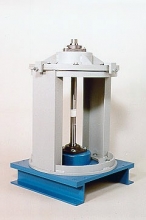 Item Number:207-000DAC Worldwide’s Vertical Coupling/Shaft Alignment Training System (207-000) is a heavy-duty, precision learning system that allows for convenient, realistic training in shaft alignment. When paired with a variety of hands-on exercises, the system creates a complete performance-based course in the maintenance of shaft alignment.