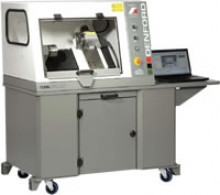
A compact 2-axis CNC Lathe with totally enclosed high-visibility interlocking guard, suitable for all levels of education and training. Programmable spindle speeds and feedrates make the Turn 270 PRO ideal for cutting a range of resistant materials such as wax, plastic, acrylic, free cutting alloys, aluminum and steel.
Motion control is used where conventional motor control, using discrete inputs and outputs, cannot achieve the accuracy needed to produce a product. This applies to a wide range of industries that need to meet market demands for greater system throughput and improved output quality and precision. Some of these industries include automotive, energy, medical, petroleum, printing, and packaging. A good example of motion control is an offset printing press that uses four motors to print four separate colors on a page and another motor to turn the feed roll. A motion controller sends acceleration and velocity commands to each motor to control its speed, torque, and rotor position. At the same time the motion controller monitors these parameters and adjusts the output as needed to create a legible color image on the page.
We offer equipment and curriculum from Amatrol and FANUC . Amatrol’s industry leading equipment and curriculum is developed in partnership with industry to deliver job ready, industry relevant skills. Working closely with companies like Caterpillar, Tropicana and many others Amatrol has designed equipment for work place success. FANUC offers the most complete range of industry-leading products and services for robotics, CNC systems, and factory automation solutions.
Mechatronics Smart Facotry Robotics
Production, without the line.
Imagine production without the oppressive costs and time requirements of tooling. Make changes quickly and affordably — at any stage in the production cycle. Create low–volume assembly fixtures and jigs directly from CAD data.
Direct digital manufacturing is where the world is going, and nothing will get you there faster than the truly transformative 3D production systems from Stratasys.
Find Your 3D Production System
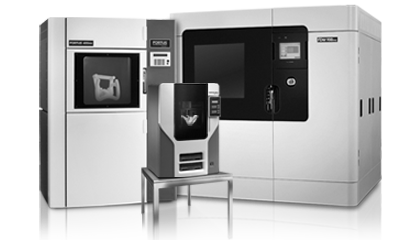
The Stratasys 3D Production Series brings world-class prototyping, tooling and digital manufacturing to your designers and engineers. The Fortus 250mc is the most compact and affordable machine, offering advanced 3D manufacturing capabilities in an office-friendly footprint. Fortus 900mc 3D Production Systems offer the widest range of Fused Deposition Modeling materials, including high performance thermoplastics, for amazingly durable, accurate parts as large as 36 x 24 x 36 in. with predictable mechanical, chemical and thermal properties.
More Information:
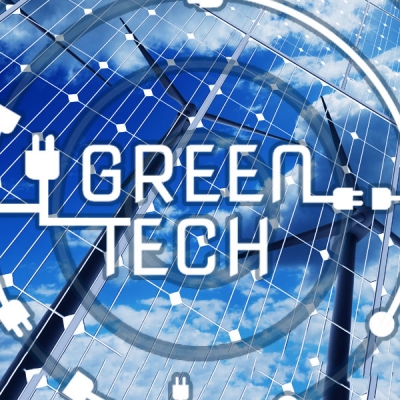
Prepare students for meaningful careers in clean energy with hands-on, industry-relevant training in Solar PV, Solar Thermal, and Wind Energy. As the global demand for sustainable energy grows, so does the need for a skilled workforce ready to implement and maintain these technologies.
- Curriculum-aligned with green energy certifications
- Real-world skills in electrical, mechanical, and environmental systems
- Ideal for high schools, community colleges, and technical training centers
Explore our green energy training solutions below or contact us to design a custom training program.
Wind turbines are a cornerstone of the renewable energy landscape. Our Wind Energy training systems provide hands-on experience with turbine components, energy conversion, and control systems—essential skills for careers in renewable energy, power generation, and electromechanical technology.
- Interactive trainers for turbine hubs, nacelles, and blade systems
- Curriculum covers generator systems, control logic, and safety protocols
- Supports skill development for utility-scale and distributed wind systems
Help students master the mechanics of wind power and explore high-demand energy careers.
Hands-On, Job-Ready Skills for Solar Technicians
The future of solar energy is strong. Solar energy is being used in a broad range of applications such as generating electricity or home and utility use, directly heating hot water for homes, supplying heat for home heating systems, direct power for remote electronics such as information signs, and more. This is leading to an increased demand for qualified Solar Technicians.
Solar Technicians require specialized job skills, combining electrical and plumbing skills with solar technology savvy. They face unique challenges in bringing solar technology to commercial and residential applications. Our programs allow students to build the knowledge they need as well as develop the hands-on skills required. Successful Solar Technicians incorporate many traditional technical disciplines like electric motor control, wiring, rotating machines, piping, pumps, power distribution, etc. along with more specialized skills in solar technologies like solar installation, PV and thermal system troubleshooting, and specialized solar piping and pumps.
"Green Technology is the application of the environmental science to conserve the natural environment and resources, and to curb the negative impacts of human involvement. Sustainable development is the core of environmental technologies." - Wikipedia
The field of "green technology" encompasses a continuously evolving group of methods and materials, from techniques for generating energy to non-toxic cleaning products.
The goals that inform developments in this rapidly growing field include:
- Sustainability: meeting the needs of society in ways that can continue indefinitely into the future without damaging or depleting natural resources.
- "Cradle to cradle" design as opposed to the manufacturers "cradle to grave" cycle by creating products that can be fully reclaimed or re-used.
- Source reduction: reducing waste and pollution by changing patterns of production and consumption.
- Innovation: developing alternatives to technologies - whether fossil fuel or chemical intensive agriculture - that have been demonstrated to damage health and the environment.
- Viability: creating a center of economic activity around technologies and products that benefit the environment, speeding their implementation and creating new careers that truly protect the planet.
Hands-On HVAC/R Training Systems
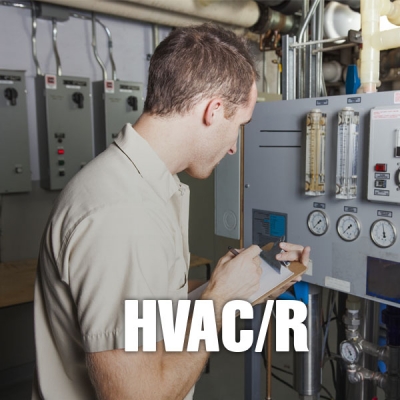
Tech-Labs provides complete HVAC/R training solutions designed for schools, community colleges, and workforce development programs. Our systems prepare learners for real-world careers in heating, ventilation, air conditioning, and refrigeration by combining interactive eLearning, troubleshooting practice, and industry-standard equipment.
Why Choose Our HVAC Training Solutions?
- Industry-Relevant Skills: Learners practice with real components found in modern HVAC/R systems.
- Certification Readiness: Aligns with key industry credentials, such as NATE and EPA Section 608.
- Hands-On Learning: Engage students with practical troubleshooting and repair activities.
- Flexible Options: Choose from entry-level refrigeration basics to advanced residential, commercial, and green energy trainers.
Comprehensive Curriculum & eLearning
Many of our HVAC/R training systems come with interactive multimedia curricula that blend theory with application. Lessons are available online, allowing flexible learning inside or outside the classroom. Instructors gain access to digital tools for tracking student progress, quizzes, and assessments.
Applications Across Education & Industry
Our HVAC training systems are ideal for:
- High school CTE and STEM programs
- Community colleges and trade schools
- Apprenticeship and workforce development programs
- Industrial training centers upgrading technician skills
Get Started with HVAC Training Solutions
Equip your students with the skills needed to succeed in the HVAC/R industry. Contact Tech-Labs today to request a quote, schedule a demo, or learn more about how Amatrol’s HVAC training systems can fit into your program.
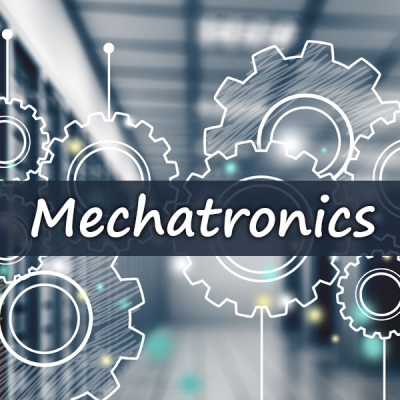
Modern industry relies on highly complex production systems to produce high-quality, economical products for an ever demanding world. Mechatronics teaches systems thinking that is required to effectively operate, program, and problem solve in this complex environment. With the rapid proliferation of automation technology, mechatronics has become one of the fastest growing technical education programs in the world. Many technologies are integrated to make these sophisticated production systems:
- Mechanical
- Electrical
- Electronics
- Software
The study of Mechatronics is a multidisciplinary field of engineering that includes a combination of mechanical engineering, electrical engineering, telecommunications engineering, control engineering, and computer engineering. Tech-Labs offers teaching resources from industry leaders Amatrol and FANUC.
The Oil and Gas Industry provides the fuel that keeps the world moving forward and connects us in previously impossible ways. Tech-Labs is proud to offer a wide variety training resources from Amatrol and Bayport Technical which includes Cut Away Valves, Acrylic Trainers and Demonstrators, Working Models...
Pages
-
-
 Learn about the Turn 370 Pro CNC Lathe, a high-capacity 2-axis machine perfect for educational and training programs requiring precision and durability.
 -
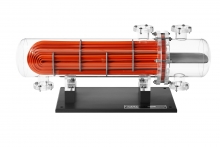 Item Number:285DAC Worldwide’s U-Tube Heat Exchanger Training Model (285) depicts a highly-detailed scale model of a common u-tube heat exchanger in a technically-accurate, professionally-crafted design. Based on a common make and model of a heat exchanger that reflects design standards established by the Tubular Exchanger Manufacturers Association (TEMA) and the ASME.
 -
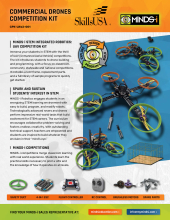 Item Number:CPK-UAM2-001Explore the MINDS-i Commercial Drones Competition Kit for hands-on UAV building, programming, tuning, and competition-based STEM learning. Designed for 2–3 students.
 -
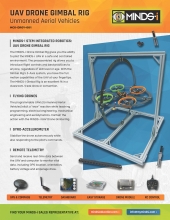 Item Number:MCK-DRGY-001The MINDS-i Drone Gimbal Rig gives you the ability to pilot the MINDS-i UAV in a safe and controlled environment. The preassembled rig allows you to introduce flight controls and best practices to anyone, regardless of skill level or age. With the Gimbal Rig’s 3-Axis system, you have the full-motion capabilities of the UAV at your fingertips. The MINDS-i Gimbal Rig is an excellent fit in a classroom, trade show, or convention.
 -
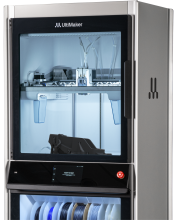 Industrial-grade, dual-extrusion 3D printer with closed heated chamber, real-time print validation, automated material handling, and high repeatability. Discover UltiMaker Factor 4 — request pricing or demo.
 -
 Dissolve PVA supports up to 4x faster with the UltiMaker PVA Removal Station. Safe, chemical-free, and efficient—engineered to reduce operator time by up to 80%.
 -
 The UltiMaker S6 delivers high-speed, dual-material 3D printing with advanced motion control, composite-ready extrusion, and a flexible build plate. Built for productivity and precision.
 -
 Meet the UltiMaker S8: The fastest desktop dual-material 3D printer with 4x productivity, enhanced accuracy, and seamless workflow integration for professional and educational environments.
 -
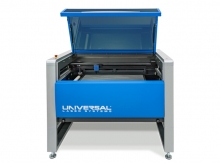 Item Number:ULTRA R5000Tech-Labs technical training solutions.